Cedar Fence Lifespan: How to Maximize Durability
- December 12, 2025
When considering the installation of a cedar fence, understanding its lifespan and maintenance requirements is essential for making a smart long-term investment. Cedar fences are widely appreciated for their natural beauty, strength, and resistance to decay and insects. However, even the best cedar fence will not reach its full lifespan without proper installation and ongoing care. With the right practices, a cedar fence can remain functional, attractive, and structurally sound for decades. This guide explains what affects cedar fence lifespan, how to maximize durability, and how cedar compares to other fencing materials, along with frequently asked questions to help you make informed decisions.
Understanding Cedar Fence Lifespan
The average lifespan of a cedar fence typically ranges from 15 to 30 years, depending on several critical factors. In ideal conditions, with professional installation and consistent maintenance, some cedar fences can last even longer. Cedar naturally contains oils that repel insects and resist rot, making it more durable than many other wood types. However, environmental exposure, soil moisture, and how well the fence is cared for all play a major role in determining how long it will last.
Proper installation is one of the most important factors in fence longevity. Posts must be set at the correct depth, secured properly, and protected from excessive ground moisture. Poor installation can shorten the life of a cedar fence significantly, regardless of wood quality. Professional installation ensures correct spacing, alignment, and structural integrity, giving the fence the best possible foundation for long-term durability.
Factors Affecting Cedar Fence Durability
Quality of Materials
The quality of cedar wood used directly impacts the fence’s lifespan. High-grade cedar, such as Western Red Cedar, contains higher concentrations of natural oils that protect against insects and moisture damage. Lower-grade cedar may contain knots, cracks, or sapwood that deteriorates faster. Choosing a reputable cedar fence provider ensures that you receive premium materials designed to withstand harsh environmental conditions and age gracefully over time.
Climate and Weather Conditions
Climate plays a significant role in cedar fence durability. In areas with heavy rainfall or high humidity, moisture can penetrate the wood if it is not properly sealed, leading to warping or rot. In very dry climates, cedar can dry out and crack if not maintained. Regions with extreme temperature fluctuations may also cause expansion and contraction, which weakens joints over time. Regular inspections and timely maintenance help address climate-related stress before it causes serious damage.
Soil and Ground Contact
Soil conditions affect fence posts more than fence panels. Constant exposure to moisture in the ground can accelerate rot, especially if posts are not properly treated or installed with drainage considerations. Using concrete footings, gravel bases, or post sleeves can help protect cedar posts from excessive moisture and extend the overall lifespan of the fence.
Installation Techniques
Proper spacing between boards allows airflow, reducing moisture buildup. Correct post depth improves stability and prevents leaning. Gates must be reinforced to avoid sagging. All of these installation details influence how well a cedar fence holds up over time. Poor installation often leads to premature repairs or replacement.
Maintenance Tips for Cedar Fence Longevity
Regular maintenance is the key to preventing small issues from turning into expensive repairs. A well-maintained cedar fence not only lasts longer but also retains its visual appeal.
Sealing and Staining
Applying a high-quality sealer or stain every two to three years is one of the most effective ways to protect a cedar fence. Sealants prevent moisture penetration and protect against UV rays that cause fading and surface damage. Stains enhance the natural grain while providing an additional layer of defense against weather exposure.
Regular Cleaning
Dirt, mold, and mildew can weaken wood fibers over time. Cleaning your cedar fence once or twice a year with mild soap and water or a specialized wood cleaner helps preserve its integrity. Avoid high-pressure washing, as it can damage the wood surface and reduce its lifespan.
Inspect for Damage
Seasonal inspections are essential, especially after storms or extreme weather. Look for loose boards, cracked posts, rot near the base, or rusted fasteners. Addressing these issues early prevents structural damage and extends the fence’s life significantly.
Trim Nearby Vegetation
Plants, shrubs, and vines that grow against the fence trap moisture and promote decay. Keeping vegetation trimmed back allows air circulation and reduces the risk of mold and rot.
Comparing Cedar with Other Fence Types
Cedar is a popular fencing material, but it is helpful to understand how it compares to alternatives such as vinyl and chain-link fencing.
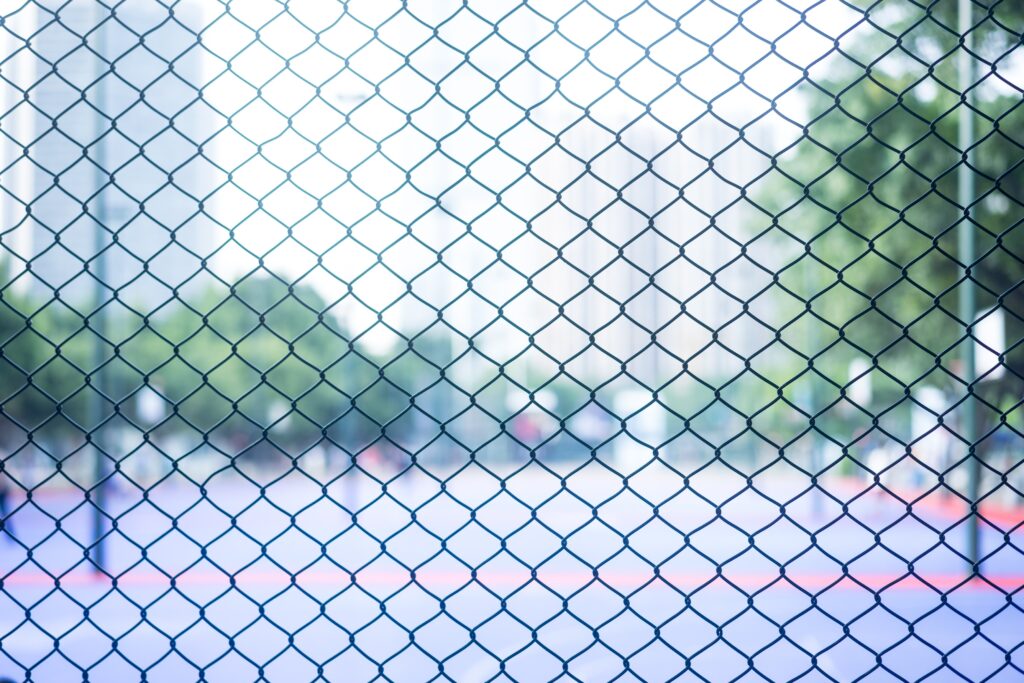
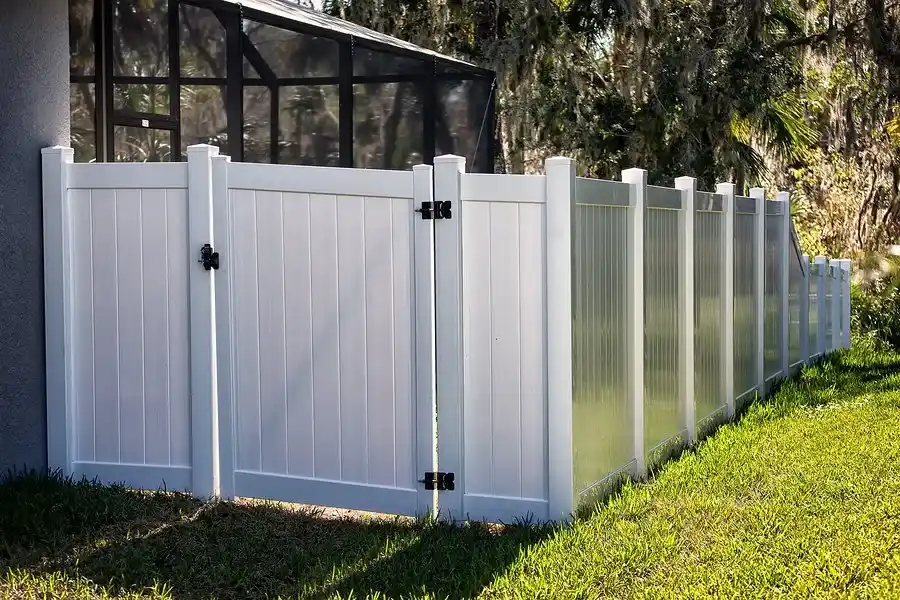
Vinyl fences are highly durable and require minimal maintenance, often lasting 20 to 30 years or more. However, they lack the natural appearance of cedar and can become brittle in extreme cold. Chain-link fences are extremely durable and low-maintenance, often lasting decades, but they offer minimal privacy and aesthetic appeal. Cedar strikes a balance by providing natural beauty, solid privacy, and good durability when properly maintained, making it a preferred choice for many homeowners.
Long-Term Value of a Cedar Fence
Although cedar fences may require more maintenance than vinyl or chain-link options, their visual appeal and natural character often increase property value. A well-maintained cedar fence enhances curb appeal and blends seamlessly with landscaping, making it a worthwhile investment for homeowners who value both function and appearance.
Conclusion
A cedar fence is a durable, attractive, and environmentally friendly choice for residential properties. While its lifespan typically ranges from 15 to 30 years, proper installation, quality materials, and consistent maintenance can push it well beyond that range. By sealing and staining regularly, inspecting for damage, and protecting against moisture, you can ensure your cedar fence remains a strong and beautiful feature of your property for decades. When cared for correctly, a cedar fence is not just a boundary it is a long-term investment in your home’s appearance, privacy, and value.
FAQs
With proper installation and regular maintenance, a cedar fence can last between 15 and 30 years, and sometimes longer in favorable conditions.
While cedar is naturally resistant to rot and insects, applying sealers or stains significantly extends its lifespan and preserves its appearance.
Most cedar fences should be stained or sealed every two to three years, depending on climate and sun exposure.
Cedar offers better natural resistance to insects and rot and has a more attractive appearance, while pressure-treated wood may last longer in ground contact but often contains chemicals and requires careful handling.
Yes, cedar can rot if exposed to constant moisture without protection. Proper installation, sealing, and maintenance greatly reduce this risk.
Moisture is the biggest threat. Poor drainage, lack of sealing, and constant ground contact can significantly shorten the fence’s life.
Yes, for homeowners who value natural beauty, privacy, and long-term value, a cedar fence is a strong investment when properly maintained.
Estimate Your Fence Cost — Fast & Free
Get a Quick Quote With Estimate in Minutes.
Latest Post