How to Choose the Right Security Fence for Your Home
- December 6, 2025
Choosing the right security fence for your home is an important decision that directly affects safety, privacy, property value, and overall curb appeal. A well-chosen fence not only acts as a physical barrier against intruders but also provides peace of mind for you and your family. With many security fence types available today each offering different benefits it can feel overwhelming, especially if you are choosing a fence for the first time. This detailed guide will help you understand the available options, key factors to consider, installation concerns, maintenance needs, and common questions, making it easier for you to select the best security fence for your home.
Understanding Different Security Fence Types
Before making a decision, it is essential to understand the most common security fence types available in the market. Each type offers a different balance of security, durability, appearance, and cost.
Chain Link Fences
Chain link fences are one of the most widely used security fencing options for residential properties. They are popular because of their affordability, strength, and long lifespan. Made from galvanized steel wires woven into a diamond pattern, chain link fences are difficult to cut and climb, making them an effective deterrent for intruders. Another advantage is visibility—you can easily see what is happening outside your property. However, while chain link fences offer good security, they provide limited privacy unless combined with privacy slats or screens.
Vinyl Fences
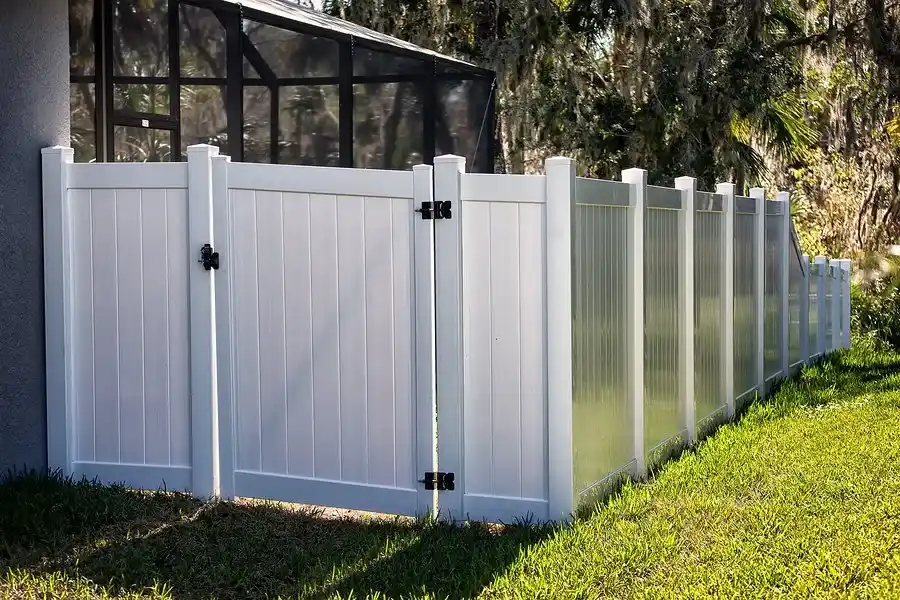
Vinyl fences are an excellent choice for homeowners who want both security and visual appeal with minimal maintenance. These fences are made from durable PVC material that does not rot, rust, or fade easily. Vinyl fences are strong enough to resist impact and are available in various heights and styles, making them suitable for privacy and security. They are especially popular in residential neighborhoods because they offer a clean, modern look. Although vinyl fences tend to be more expensive upfront than chain link fences, their low maintenance requirements make them cost-effective in the long run.
Wooden Fences
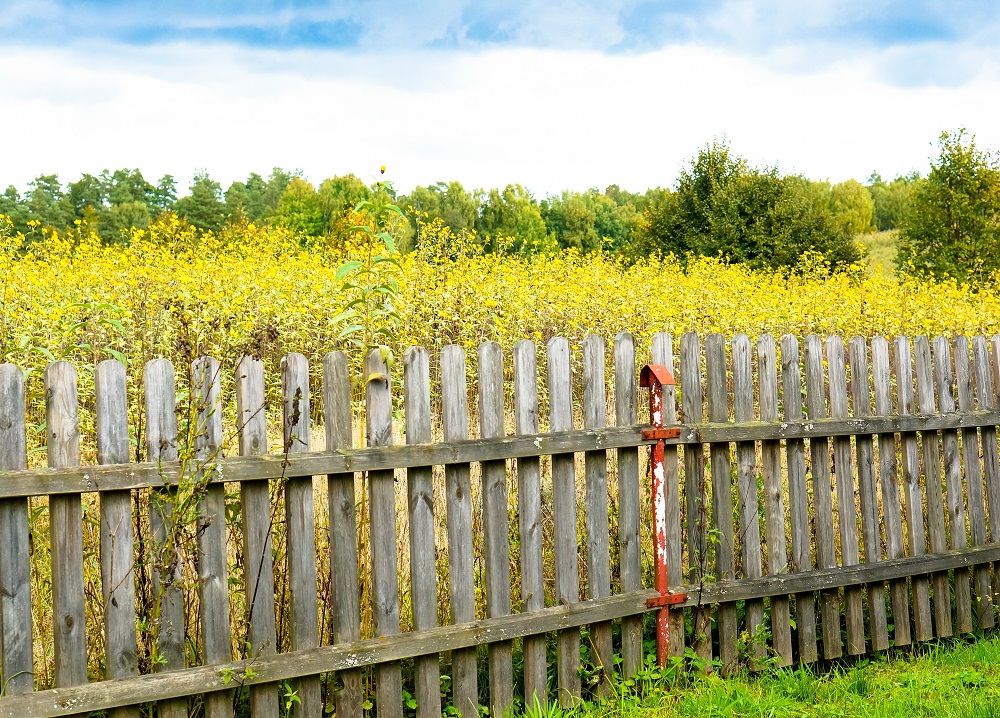
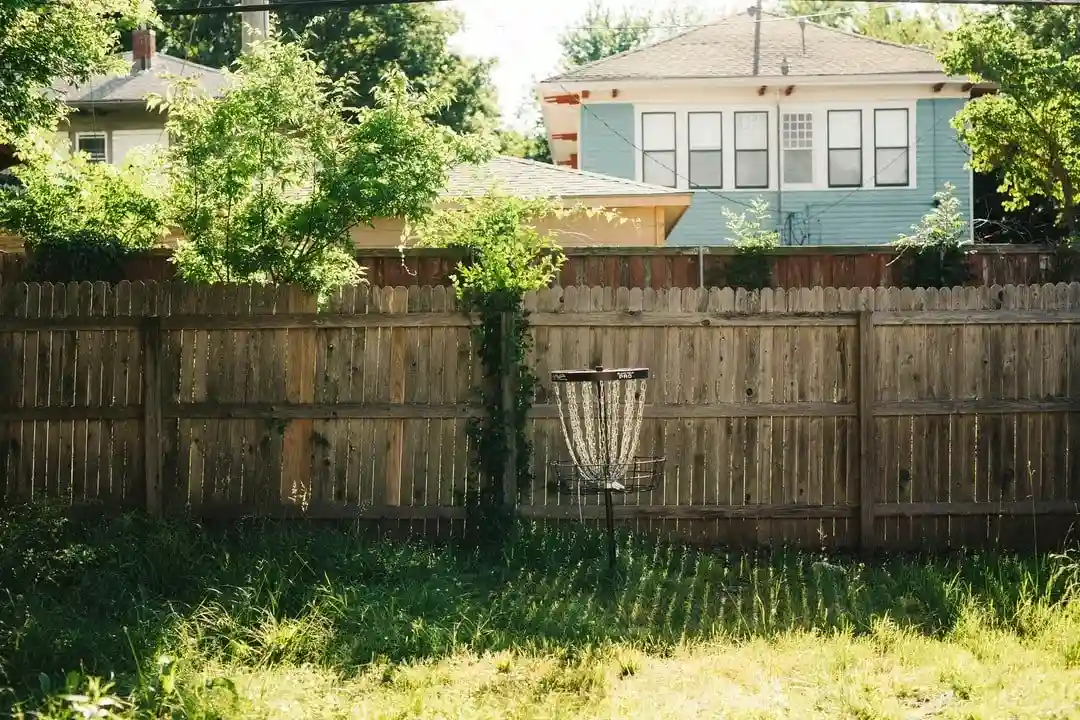
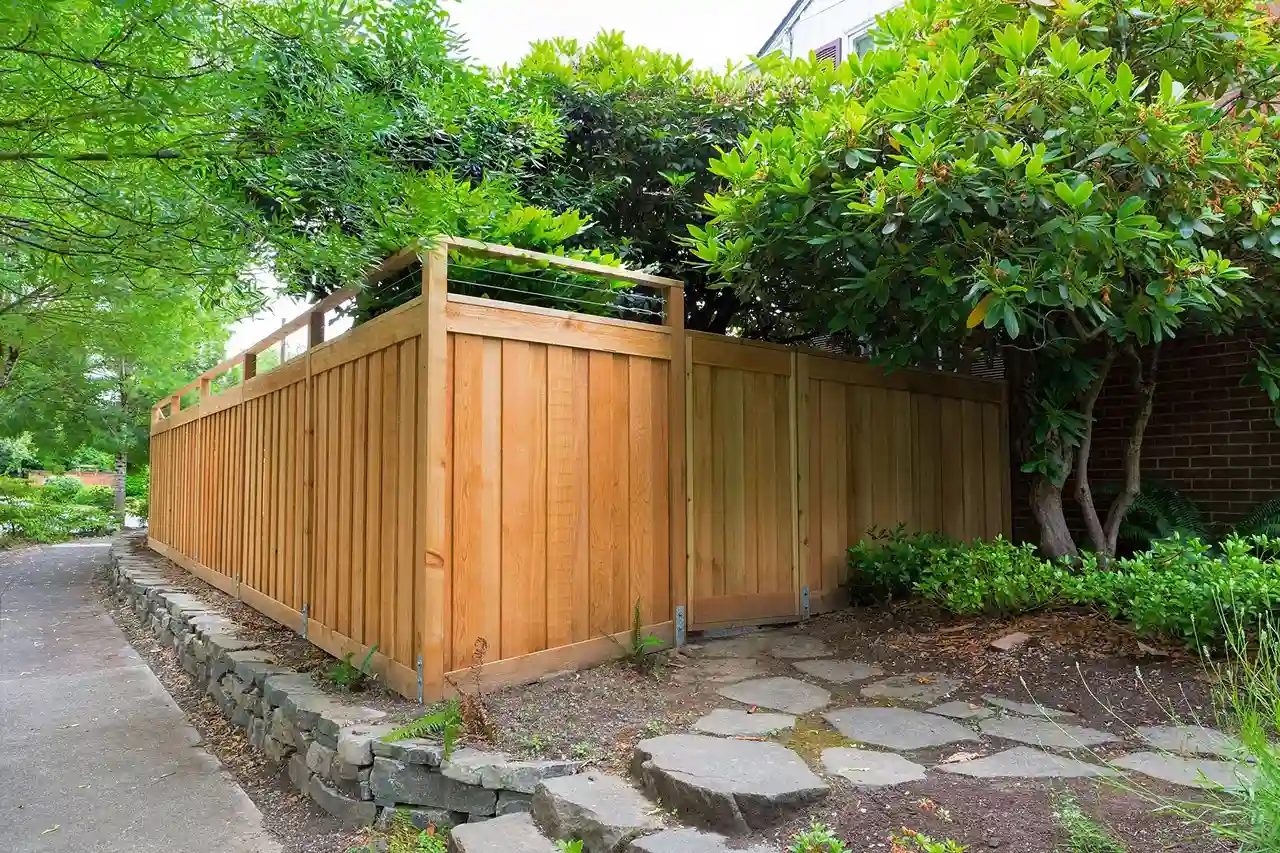
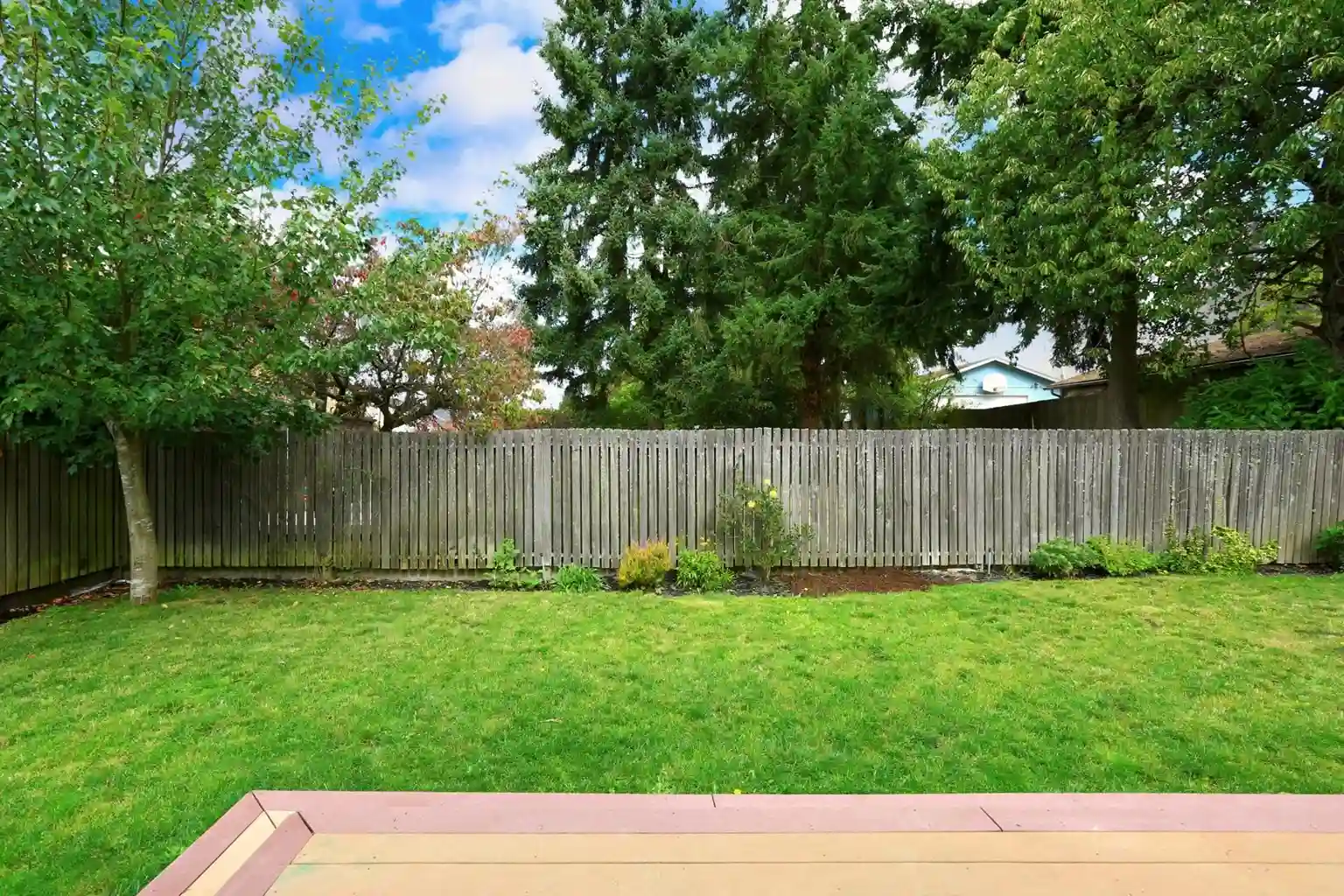
Wooden fences remain a classic and timeless option for home security. Materials such as cedar and pressure-treated wood are commonly used because of their strength and resistance to insects and decay. Wooden fences provide excellent privacy and can be built tall to enhance security. They are also highly customizable, allowing homeowners to choose designs that match their home’s exterior. However, wooden fences require regular maintenance, including staining, sealing, and occasional repairs, to maintain their strength and appearance over time.
Metal Fences (Aluminum and Wrought Iron)
Metal fences, including aluminum and wrought iron, are often chosen for their high level of security and elegant appearance. These fences are extremely durable and difficult to break or climb. Wrought iron fences, in particular, are known for their strength and classic design, making them suitable for homeowners who want both security and luxury appeal. Aluminum fences offer a similar look with less weight and lower maintenance. While metal fences are more expensive than some other options, their longevity and strength make them a worthwhile investment.
Factors to Consider When Selecting a Security Fence
When choosing the best fence for security around your home, several important factors should guide your decision.
Purpose
Start by identifying your primary goal. Are you mainly concerned about security, privacy, or a combination of both? For example, if preventing unauthorized access is your top priority, metal or tall wooden fences may be ideal. If privacy is equally important, vinyl or wooden fences are better suited.
Budget
Your budget plays a major role in determining the right fence. While some fences have a lower initial cost, they may require higher maintenance expenses over time. Consider both installation costs and long-term maintenance when planning your budget. Investing slightly more upfront can often save money in repairs and replacements later.
Local Regulations
Before installing any fence, check local zoning laws and homeowner association rules. Some areas have restrictions on fence height, materials, or placement. Ensuring compliance from the beginning can save you from legal issues and costly modifications later.
Climate and Weather Conditions
Weather conditions in your area should influence your choice of fencing material. For example, metal fences are ideal for areas with heavy rain or snow, while vinyl fences perform well in humid climates. Wooden fences may require extra care in regions with extreme weather conditions.
Aesthetic Appeal
Your fence should complement your home’s design and landscape. A well-designed fence can enhance curb appeal and even increase property value. Choose a style and color that blends well with your home’s exterior.
Installation Considerations
Fence installation is a crucial step that affects both security and durability. While some homeowners opt for DIY installation, professional installation is often recommended for security fences. Professionals ensure that posts are securely anchored, panels are aligned correctly, and the fence meets safety standards. Proper installation also helps avoid gaps or weak points that intruders could exploit. Additionally, professionals can advise on the best fence height and layout for maximum protection.
Maintaining Your Security Fence
Regular maintenance is essential to keep your security fence effective and visually appealing. Maintenance requirements vary depending on the material. Chain link fences may need occasional tightening and rust prevention. Vinyl fences require simple cleaning with water and mild detergent. Wooden fences need periodic staining or sealing to protect against moisture and pests. Metal fences should be inspected for rust or loose components. Consistent maintenance not only extends the life of your fence but also ensures it continues to provide reliable security.
Enhancing Fence Security
To further improve security, consider adding features such as lockable gates, motion-sensor lighting, security cameras, or fence toppers like spikes or trellises. Landscaping elements like thorny shrubs along the fence line can also act as natural deterrents.
Conclusion
Choosing the right security fence for your home requires careful consideration of security needs, budget, materials, and local regulations, and using a Fence Cost Calculator can help estimate expenses accurately. By understanding different security fence types and evaluating factors such as purpose, maintenance, and climate, you can make an informed decision that protects your property while enhancing its appearance. A thoughtfully selected and well-maintained security fence is not just a barrier it is a long-term investment in safety, comfort, and peace of mind for your home and family.
FAQs
Metal fences such as wrought iron or aluminum offer the highest level of security due to their strength and durability. Tall wooden fences can also provide excellent security when properly installed.
Vinyl and wooden fences are ideal for homeowners who want a balance of privacy and security. They block visibility while still acting as strong physical barriers.
Yes, chain link fences provide good security, especially when combined with added height, privacy slats, or barbed wire. However, they offer less privacy compared to other fence types.
Most residential security fences range between 6 to 8 feet in height. Taller fences provide better protection but must comply with local regulations.
Yes, a well-designed and properly maintained security fence can enhance curb appeal and increase property value by improving safety and privacy.
The lifespan depends on the material. Vinyl and metal fences can last 20–30 years or more, while wooden fences typically last 10–20 years with proper maintenance.
While not mandatory, professional installation is highly recommended for security fences to ensure proper strength, alignment, and compliance with safety standards.
Estimate Your Fence Cost — Fast & Free
Get a Quick Quote With Estimate in Minutes.
Latest Post