Best Fence for Backyard Privacy in 2026: Styles, Costs & What Actually Works
- June 15, 2026
Summer hits and suddenly the backyard feels a lot more exposed. The neighbors are closer than you remembered. The street traffic is louder. The kids are in the pool and you’d rather not have an audience. That’s usually the moment people start seriously thinking about a privacy fence.
But here’s the thing: “privacy fence” isn’t one product. It’s a category with a dozen different materials, styles, heights, and price points. The right choice for a small urban backyard looks completely different from the right choice for a half-acre suburban lot. And 2026 has brought real shifts in what materials people are buying and what styles are actually working.
This guide breaks all of it down so you can make a solid decision before you call anyone for a quote.
What Makes a Fence Actually “Private”?
A fence isn’t private just because it’s tall. Privacy comes from blocking sightlines — meaning no gaps that a person standing on the other side can see through at eye level.
A few things determine real privacy:
- Height: 6 ft is the minimum for effective backyard privacy for most adults. If your neighbor has an elevated deck or a two-story house that overlooks your yard, 7–8 ft gives better coverage.
- Panel construction: Solid panels with no spacing between boards give the most privacy. Styles like shadowbox allow some airflow but still block direct views.
- Slope: A 6 ft fence on flat ground is different from a 6 ft fence on a sloped lot. On a hill, the effective height on the lower side is lower than you’d expect.
For most standard US backyards, a 6 ft solid panel fence handles the job. According to Frame It All’s privacy fence height guide, 6 ft is tall enough for most humans and animals, and it’s also the standard maximum height allowed in most residential zones without needing a permit.
Best Privacy Fence Materials Compared Side by Side
Here’s how the main options stack up:
| Material | Privacy Level | Avg. Cost/Linear Ft | Maintenance | Lifespan |
| Wood (Cedar) | Full | $25–$55 | Moderate | 15–20 yrs |
| Vinyl | Full | $20–$40 | Very Low | 50+ yrs |
| Composite | Full | $25–$45 | Very Low | 25–30+ yrs |
| Chain Link + Slats | Partial | $15–$35 | Low | 20+ yrs |
| Corrugated Metal | Full | $15–$30 | Low | 20–30 yrs |
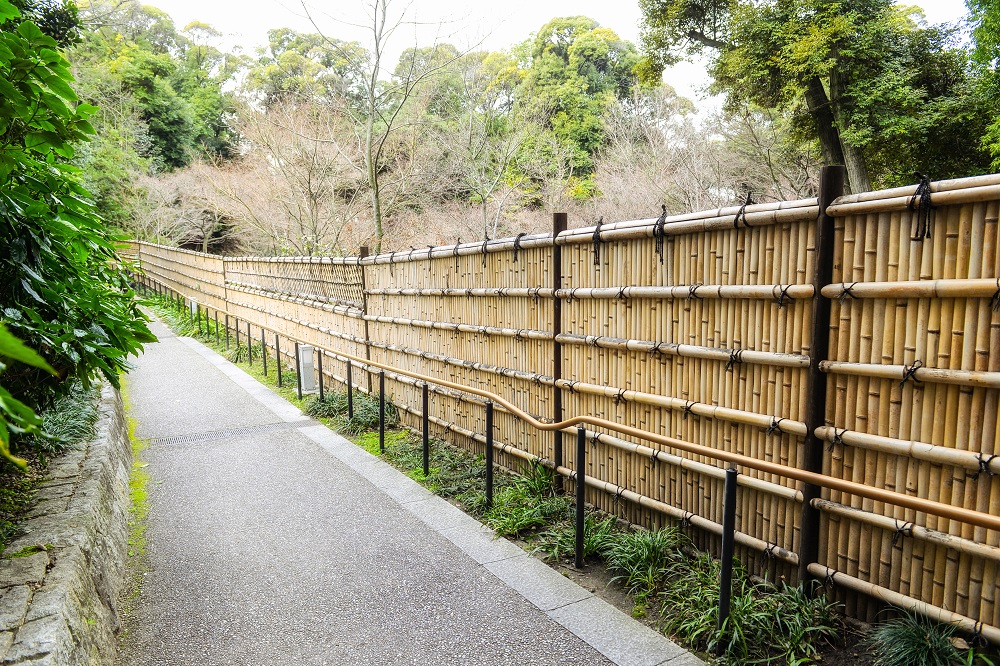
| Bamboo | Partial-Full | $15–$30 | Low-Moderate | 5–10 yrs |
Now the detail on each one.
Wood Privacy Fence: The Most Popular Choice
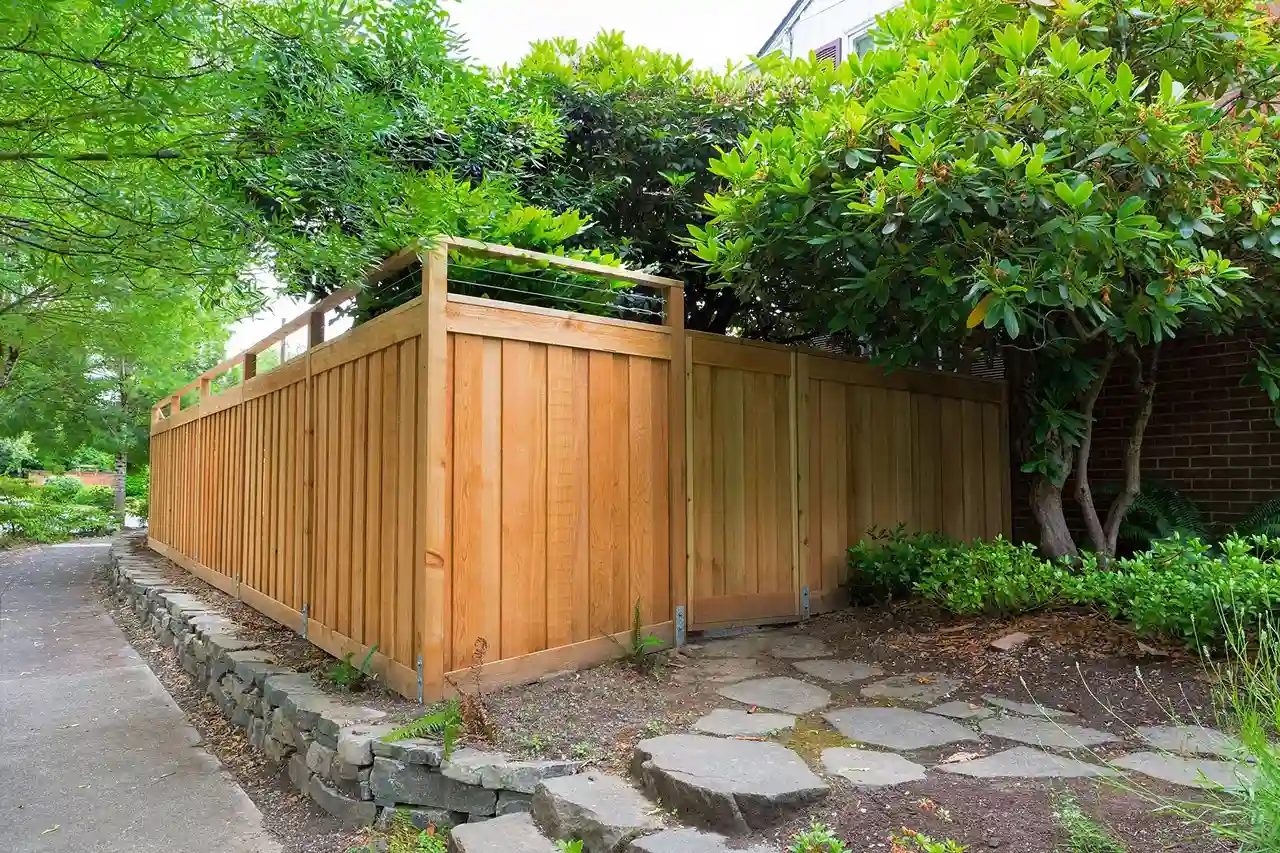
Wood is still the most common privacy fence material in the US, and for good reason. It’s versatile, easy to work with, and you can customize height, style, and finish in ways you just can’t with vinyl panels.
Western Red Cedar is the top pick among fence installers nationwide. It naturally resists rot and insects, which means it holds up better in wet climates than treated pine. It can be stained, painted, or left to weather naturally to a soft gray.
Styles include board-on-board, shadowbox, horizontal slat, stockade, and tongue-and-groove. Each gives a different look and a slightly different level of privacy (more on styles below).
The trade-off: wood needs maintenance. Plan on staining or sealing every 2–3 years to prevent warping and rot. If you skip that step, the fence ages fast especially at the base where boards contact soil or moisture.
Cost runs $25–$55 per linear foot installed depending on wood species, thickness, and style. Horizontal styles and premium cedar cost more than standard vertical stockade. See the full breakdown in our wood fence cost guide.
Vinyl Privacy Fence: Best for Low Maintenance
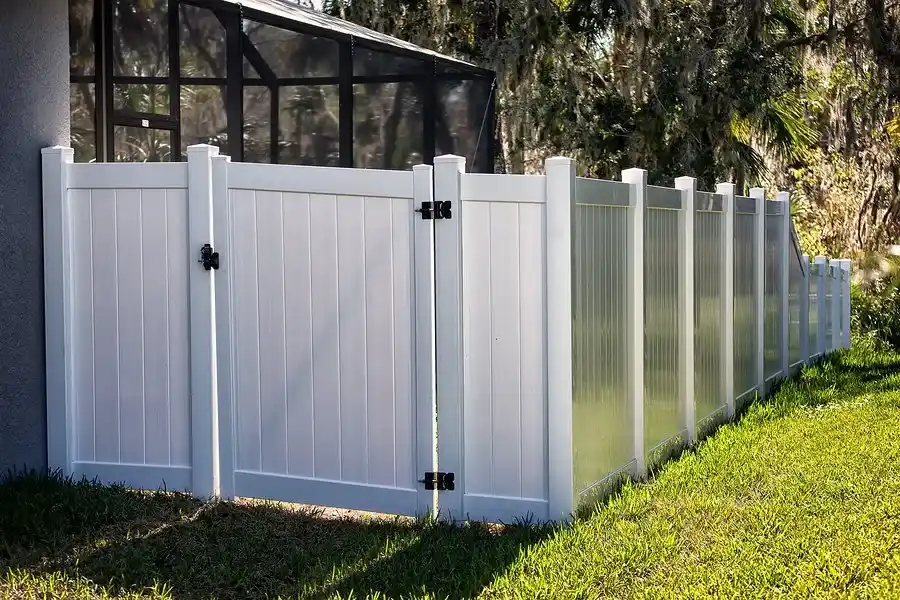
Vinyl is the “set it and forget it” privacy fence. Solid panels, zero gaps, and it never needs painting, staining, or sealing. Ever.
It won’t rot, warp, splinter, or fade the way wood does. And the 2026 options are far better looking than the plain white vinyl people picture. You can get woodgrain textures, decorative lattice tops, scalloped profiles, and two-tone combinations that look far more intentional than a standard white panel.
The only real downside is upfront cost. Vinyl runs 30–50% more than basic wood at installation. But when you factor in zero maintenance costs over a 50+ year lifespan, the math flips. Most homeowners recoup the difference within 8–10 years compared to wood.
Cost runs $20–$40 per linear foot installed. White is the most affordable; wood-tone finishes and textured profiles cost more. Full pricing in our vinyl fence cost guide.
Composite Privacy Fence: The Premium Option
Composite fencing is made from a blend of wood fiber and recycled plastic. It looks like real wood realistic woodgrain, warm tones, natural texture but it handles moisture, insects, and UV exposure far better than natural wood does.
It won’t rot, fade significantly, or need staining. Lifespan runs 25–30+ years with very little upkeep. It’s more expensive than both wood and vinyl upfront, but for homeowners who specifically want a wood aesthetic without the annual maintenance, it’s the right call.
Cost runs $25–$45 per linear foot for standard composite profiles. Premium options start higher.
Top Privacy Fence Styles for 2026
Material is one decision. Style is another. These are the five styles getting the most attention this year.
1. Horizontal Slat Fence
The biggest fence design trend in 2026. Clean lines, modern look, and it makes narrow yards feel wider because horizontal boards draw the eye across the space rather than upward.
Works in cedar, composite, or vinyl horizontal panels. It costs 15–25% more than a standard vertical fence because horizontal builds require higher-grade lumber to prevent sagging and more precise framing. But the visual payoff is significant, especially for entertainment-focused backyards.
Best for: modern homes, flat lots, outdoor living areas.
2. Board-on-Board Fence
If maximum privacy is the goal, this is the one. Vertical boards overlap completely, leaving zero sightline gaps from any angle. The staggered design also handles wood’s natural expansion and contraction through seasons, which means fewer warped boards over time.
The overlapping construction also makes it one of the strongest styles in wind boards brace against each other rather than flexing independently.
Best for: pool enclosures, urban backyards, properties on busy streets.
3. Shadowbox (Good Neighbor) Fence
Boards alternate on both sides of the horizontal rails. It blocks direct sightlines but allows airflow and some light to pass through. And because it looks finished from both sides, your neighbor doesn’t get stuck looking at the “ugly side” of your fence.
It’s slightly less private than board-on-board but more budget-friendly, and it’s a popular choice in neighborhoods where HOA aesthetics matter.
Best for: windy areas, neighbor-conscious installs, garden borders.
4. Tongue-and-Groove Fence
Interlocking boards fit tightly together with no gaps at all — one of the most seamlessly enclosed designs available. The result is a flat, smooth surface that looks more like a wall than a traditional fence.
Best for: maximum privacy, modern minimalist aesthetics.
5. Vinyl or Composite with Lattice Top
A standard 6 ft solid panel with 1–2 ft of open lattice on top. You get the privacy of a full panel at the base with a lighter, more decorative finish at the top. It also adds visual height without triggering a permit requirement for a full 8 ft fence in most cities.
Best for: suburban yards where aesthetics matter, properties next to elevated decks.
For budget-friendly versions of these styles, our guide on inexpensive privacy fence ideas covers practical options at every price point.
How Tall Should a Backyard Privacy Fence Be?
| Privacy Goal | Recommended Height |
| Standard backyard privacy | 6 ft |
| Next to elevated deck or two-story neighbor | 7–8 ft |
| Pool enclosure (code minimum) | 4 ft |
| Pool enclosure (actual privacy) | 6 ft |
| Noise reduction from busy road | 6–8 ft solid panel |
| Front yard (most US cities) | 3–4 ft max |
Six feet handles the job for most standard backyards. But in dense neighborhoods, homeowners are increasingly going to 7–8 ft, especially where adjacent homes have raised decks or second-floor sightlines. According to Stand Strong Fencing’s 2026 design trend report, taller privacy fences and acoustic fence designs are among the fastest-growing requests from homeowners this year.
Just check local ordinances first. Most US cities cap residential backyard fences at 6 ft without a variance or permit. Adding a lattice top is a common way to gain extra height without crossing that threshold.
How Much Does a Backyard Privacy Fence Cost in 2026?
Per linear foot (installed):
- Budget treated wood: $20–$35/ft
- Cedar: $30–$55/ft
- Vinyl: $20–$40/ft
- Composite: $25–$45/ft
- Corrugated metal: $15–$30/ft
Full project estimates (150 linear ft, no gates):
- Wood: ~$2,700 average
- Vinyl: ~$3,700 average
- Composite: ~$4,200 average
- Corrugated metal: ~$2,500 average
According to Angi’s 2026 privacy fence cost data, most homeowners spend between $1,800 and $8,000 total, with an average around $4,300.
Gates add $300–$1,200 each depending on material and hardware. Sloped lots, corner properties, and hard or rocky soil all push labor costs up. Use our free fence cost calculator to get an estimate based on your actual yard dimensions and preferred material.
2026 Privacy Fence Trends Worth Knowing
A few things are clearly shifting this year:
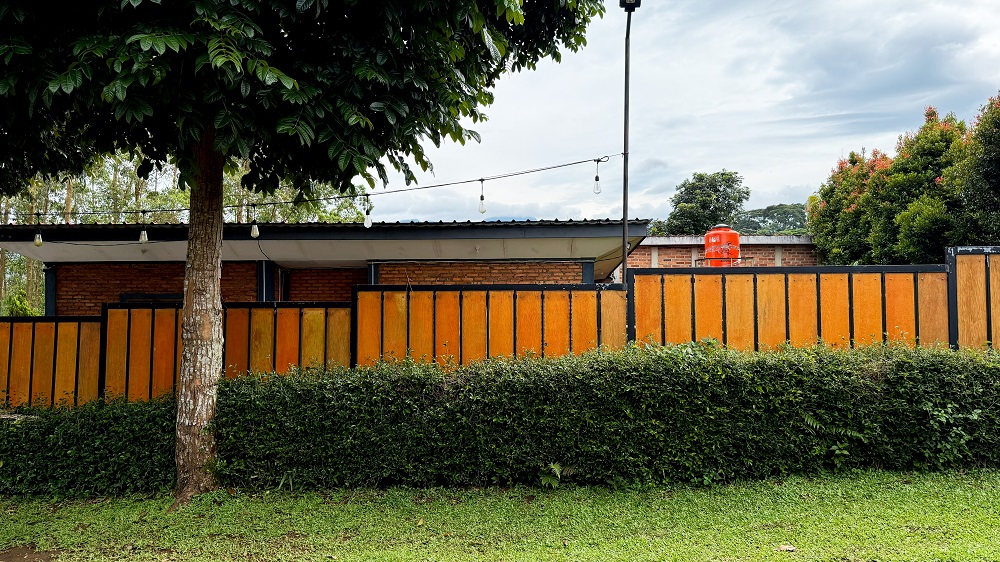
- Mixed materials are the biggest design move. Vinyl privacy panels paired with stone or brick columns. Horizontal wood planks set in black metal frames. Composite panels with aluminum gates. Homeowners want fences that look custom, not catalog.
- Horizontal fencing keeps growing. It’s no longer a niche choice it’s mainstream in neighborhoods where people are investing in outdoor living spaces.
- Taller fences (7–8 ft) are more common in dense suburbs, driven by smaller lot sizes and two-story home construction.
- Acoustic designs are trending near busy roads. Solid, dense panels reduce noise noticeably — and homeowners near main roads are now specifically asking for this.
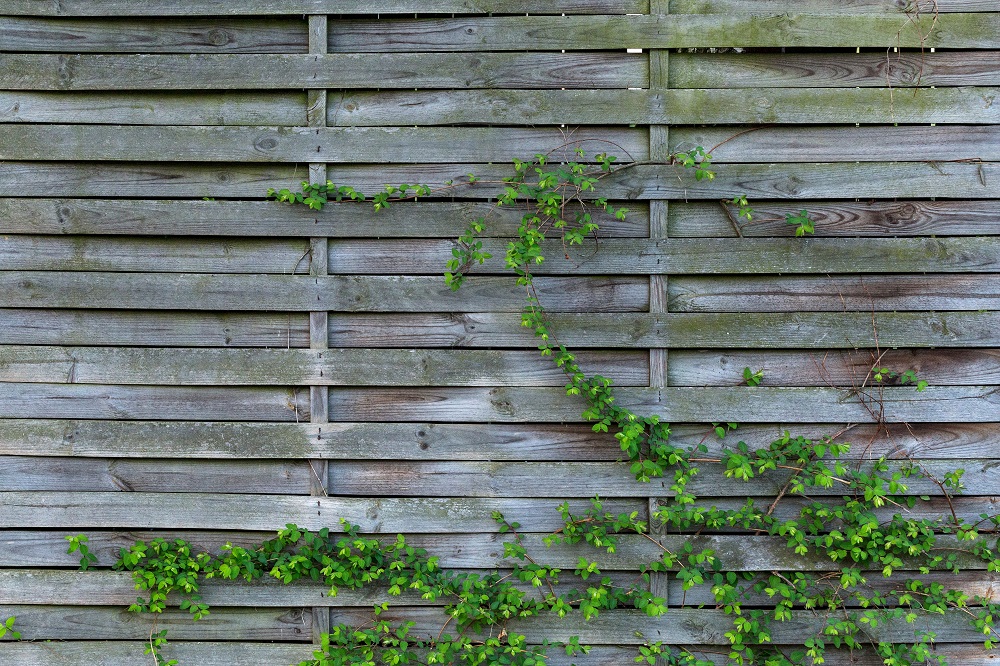
- Privacy plus landscaping is a popular combination: solid fences paired with climbing plants, raised planters along the fence line, or ornamental grasses that soften the hard edge. It gives the yard a finished, intentional look rather than a “walled off” feel.
FAQs
Vinyl solid panel and cedar board-on-board are the two top choices. Vinyl wins on maintenance and longevity. Cedar wins on customization and upfront cost. Both provide complete, gap-free privacy at 6 ft.
Board-on-board and tongue-and-groove wood fences give the most complete coverage, with zero sightline gaps from any angle. Vinyl solid panel fence is equally effective with far less upkeep.
6 ft is standard for most US backyards. Go to 7–8 ft if you're next to an elevated deck or two-story neighbor. Most cities cap residential fences at 6 ft check local rules before going taller.
Wood costs less upfront and gives you more style options. Vinyl costs more initially but lasts 50+ years with almost no maintenance. For long-term value, vinyl usually wins. For design flexibility, wood wins.
Chain link with privacy slats is the most budget-friendly option. Treated wood stockade fence is the cheapest full-privacy build. Our guide on inexpensive privacy fence ideas covers more options at every budget.
Most homeowners spend between $1,800 and $8,000 for a full backyard privacy fence. The average sits around $4,300 depending on material, height, yard size, and local labor rates.
Vinyl is the lowest maintenance option no staining, sealing, or painting required. Composite is a close second and offers a more natural wood appearance.
Yes, but most US cities require a permit for fences over 6 ft. Some allow 7–8 ft in backyards with a permit. Adding a lattice top is a common way to gain visual height without hitting the permit threshold.
Estimate Your Fence Cost — Fast & Free
Get a Quick Quote With Estimate in Minutes.
Latest Post