Horizontal Fence Guide: Styles, Cost, and Installation
- July 14, 2026
Quick answer: a horizontal fence has boards running side to side instead of up and down, and it’s become the go-to look for modern homes because it makes yards feel wider and more open. Expect to pay roughly 10 to 20% more than a comparable vertical fence, since the boards need higher-grade lumber and closer post spacing to stay straight over time.
Drive through almost any newer subdivision and you’ll spot them: clean, wide boards running flat across the yard instead of stacked upright. Horizontal fencing has gone from a niche architectural choice to one of the most requested looks in residential fencing, and for good reason. It reads as modern without looking cold, and it does something a vertical fence physically can’t: it makes a narrow yard look wider. Here’s what you need to know before you commit to one, including where the style actually costs more and where that gap closes.
What Is a Horizontal Fence, and Why Is It Trending?
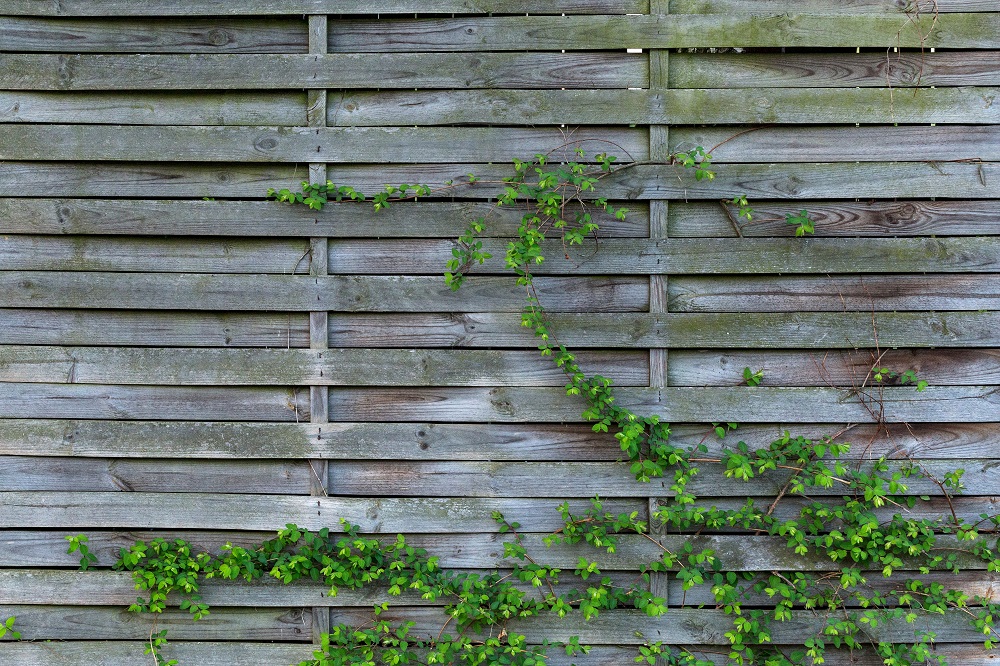
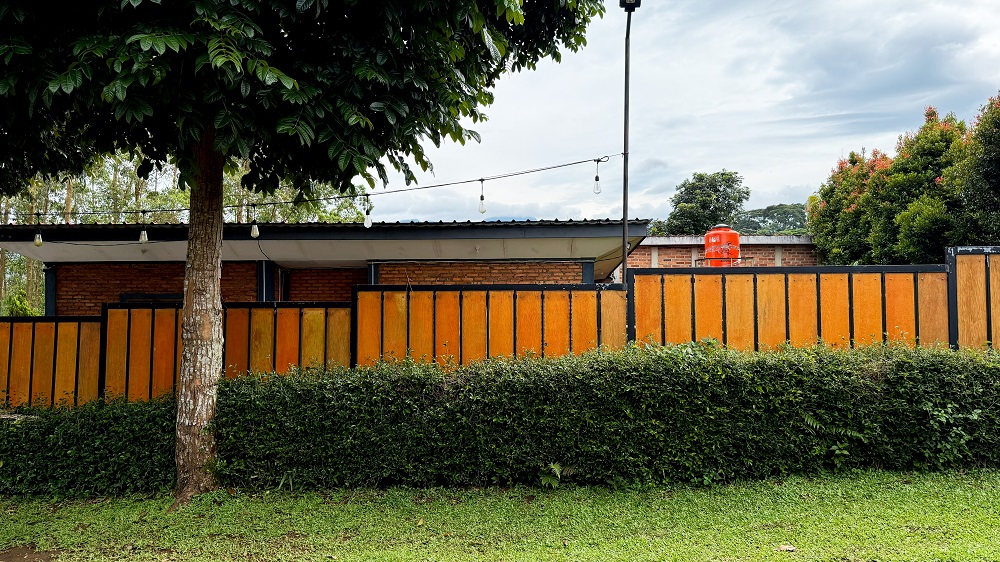
A horizontal fence runs its boards parallel to the ground rather than vertically from the ground up. The visual effect is a set of long, uninterrupted lines that stretch across your sightline, which is what creates that wider, more spacious feel. It’s become the default choice for contemporary and mid-century modern homes, but it shows up plenty on traditional homes too, usually as a way to signal an updated, higher-end look without a full landscaping overhaul.
Horizontal Fence Styles to Consider
Modern Horizontal Wood
Clean, wide cedar or pine boards with tight, even gaps or none at all. This is the style most people picture when they hear “horizontal fence,” and it works on almost any modern or transitional home exterior.
Horizontal Slat (Semi-Privacy)
Boards installed with intentional gaps between them, usually an inch or less, so light and air move through while sightlines stay mostly blocked. A popular middle ground for homeowners who want privacy without a completely solid wall look.
Staggered / Shadow Box Horizontal
Boards alternate front and back of the rails rather than sitting flush, which gives full privacy from both sides of the fence while still reading as horizontal at a glance. It costs a bit more in material since you’re doubling up boards along parts of the run, but it solves the good-neighbor problem, both sides get a finished face.
Horizontal Cedar
Cedar is the most common premium choice for horizontal builds because it resists rot and insects naturally and holds its color longer than pressure-treated pine. It’s also the material most horizontal fence photos online are actually built from, which is part of why it feels synonymous with the style.
Horizontal Vinyl
Manufacturers now make horizontal vinyl panel systems specifically to solve the sagging problem that plagues site-built wood horizontal fences. Zero maintenance, consistent factory spacing, and a cleaner long-term look, at a higher upfront cost.
Horizontal Aluminum
Metal horizontal panel systems, often powder-coated in black or bronze, are the most common pick for homeowners layering a modern fence in front of an existing privacy fence or using it as a lower front-yard accent fence rather than a full-height privacy barrier.
Horizontal vs. Vertical Fence: Quick Comparison
| Factor | Horizontal Fence | Vertical Fence |
|---|---|---|
| Cost | 10-20% higher, site-built boards | Lower, often pre-made panels |
| Privacy | Strong with tight spacing, some sightline gaps | Strong with standard spacing |
| Sloped yards | Struggles, needs custom framing | Easy to stair-step |
| Aesthetic | Modern, widens the yard visually | Traditional, emphasizes height |
| Post spacing | Closer, roughly every 6 ft | Standard, up to 8 ft |
This tracks with Angi’s horizontal vs. vertical fence comparison, which points out that horizontal fences typically cost more because they need higher-grade lumber and on-site building, while vertical fences ship in pre-made panels that are faster and cheaper to install. The tradeoff is real in both directions: vertical wins on sloped lots and rock-bottom budgets, horizontal wins on curb appeal for flat, modern-style properties.
How Much Does a Horizontal Fence Cost?
Expect to pay roughly 10 to 20% more per linear foot for a site-built horizontal wood fence compared to an equivalent vertical fence, mostly because of closer post spacing, higher-grade lumber, and more labor-intensive on-site assembly. Pre-manufactured horizontal panel systems, especially in vinyl and aluminum, can close that gap or even come in comparable to vertical, since the factory does the precision work instead of a crew building it board by board on site.
For the full material-by-material cost breakdown, including a 6-foot privacy fence table and regional pricing, see our Fence Cost Per Foot Explained guide. In general, budget the same base range as a comparable vertical build in that guide, then add the 10-20% premium if you’re going the site-built wood route. Our wood fence cost guide and vinyl fence cost guide both cover horizontal-specific pricing notes in their material sections.
Installation Considerations
- Post spacing: horizontal boards need posts roughly every 6 feet, closer than the 8-foot spacing common on vertical builds, since each board spans the full gap with no vertical support underneath it.
- Lumber grade: boards need to be straighter and more stable than typical fence-grade lumber, or they’ll bow and sag within a year or two.
- Terrain: horizontal fences perform worse on sloped or uneven lots, since the boards can’t be stair-stepped the way vertical panels can. Steep grades usually call for custom framing or a switch to vertical.
- Fasteners: horizontal builds typically use more fasteners per board than vertical designs, which adds a bit to both material and labor cost.
Is a Horizontal Fence Right for Your Yard?
Horizontal fencing is the strongest fit for flat or gently sloped lots, modern or transitional home styles, and front yards or backyards where you want a wider, more open feel rather than a tall, boxed-in look. It’s a tougher fit for steep slopes, where the framing gets complicated fast, and for anyone on the tightest possible budget, since vertical panels are almost always the cheaper starting point.
Check your HOA guidelines before you commit. Some HOAs specifically require traditional vertical picket or privacy styles and haven’t updated their bylaws to account for horizontal designs, even in neighborhoods where the style is otherwise common. A quick call or email to your HOA board before ordering materials saves a possible rebuild later.
Ready to price your horizontal fence project?
Use the Fence Price Calculator to get a real cost estimate based on your material, footage, and zip code.
Want a second opinion on whether horizontal fits your yard? Find a rated fence company near you for an on-site walkthrough before you order materials.
FAQs
Usually, yes. Site-built horizontal wood fences typically cost 10 to 20% more than a comparable vertical fence because of closer post spacing and higher-grade lumber. Pre-manufactured horizontal panel systems can narrow or erase that gap.
Roughly every 6 feet, closer than the 8-foot spacing common on vertical fences. Closer spacing keeps the horizontal boards from sagging since they don't have vertical framing supporting them mid-span.
Not well. Horizontal fences are built for flat or gently sloped lots. Steep or uneven terrain usually calls for custom framing, extra cost, or a switch to a vertical design that can be stair-stepped down the slope.
Cedar is the most common choice for site-built horizontal fences, thanks to its natural rot and insect resistance. Vinyl and aluminum panel systems are growing in popularity for homeowners who want the look with less long-term maintenance.
Estimate Your Fence Cost — Fast & Free
Get a Quick Quote With Estimate in Minutes.
Latest Post