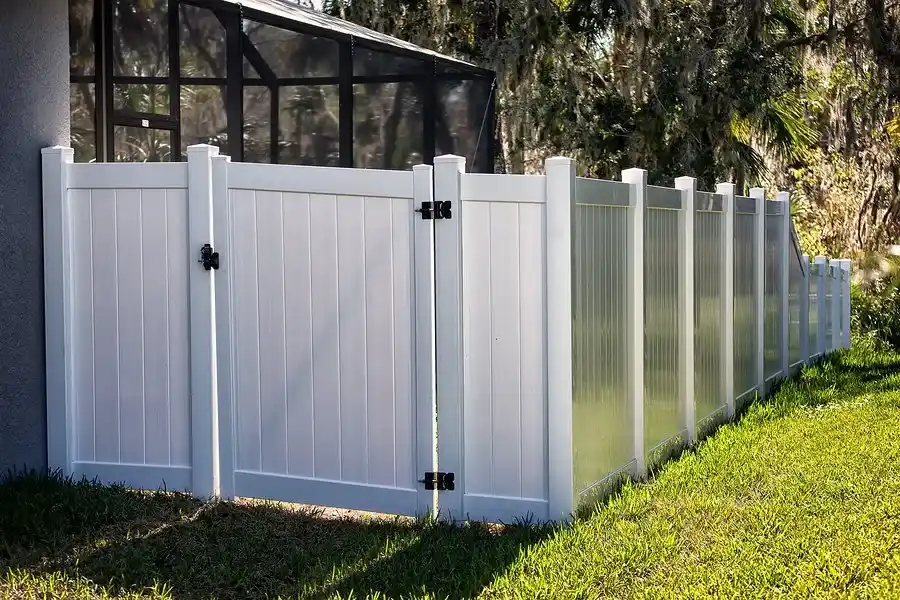
Composite Fence vs Wood Fence: Which Is Better in 2026?
- June 29, 2026
Wood is the fence most people grew up with. It’s familiar, it looks great when it’s new, and the price on day one is hard to argue with. Composite is the newer option engineered to do everything wood does, but without the rot, the bugs, or the annual staining ritual.
So which one is actually better? The honest answer: it depends on how long you’re staying in the home, what climate you’re in, and how much time you’re willing to spend on upkeep. Neither material is right for everyone. But one of them is almost certainly a better fit for your specific situation and this breakdown will tell you which one.
What Is Composite Fencing?
Before the comparison, a quick definition because “composite” gets used loosely.
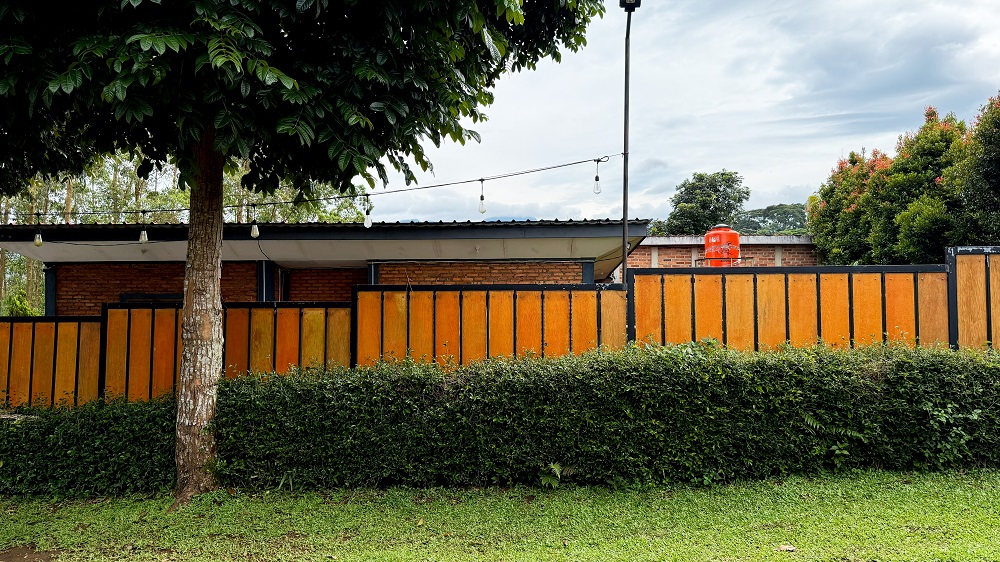
Composite fencing is made from a blend of recycled wood fibers and plastic polymers, also called WPC (Wood Plastic Composite). The wood fibers give it warmth and texture. The plastic makes it resistant to moisture, rot, insects, and UV damage. The result is a material that looks like wood but doesn’t behave like wood.
The top tier in 2026 is capped or co-extruded composite where an extra outer shell wraps the core panel. That shell dramatically improves fade resistance and surface durability compared to standard WPC. If you’re buying composite, capped products are worth the extra cost.
Most composite fences come with manufacturer warranties of 20–25+ years. That’s not a marketing claim it’s backed by the material’s actual performance track record.
The Head-to-Head: Composite vs Wood
Here’s the full picture in one table:
| Category | Wood Fence | Composite Fence |
| Upfront Cost | $15–$30/linear ft | $25–$65/linear ft |
| Lifespan | 10–15 years | 25–30+ years |
| Maintenance | High (stain/seal every 2–3 yrs) | Very Low (rinse with hose) |
| Rot/Insect Resistance | Low (needs treatment) | Excellent (built-in) |
| Appearance | Natural wood grain | Mimics wood; consistent finish |
| Color/Style Options | Very High (paint any color) | Good (manufacturer’s range only) |
| Eco Impact | Renewable, but needs chemical treatments | Uses recycled materials |
| Home Value Impact | Good | Very Good |
| Best Climate | Dry, low-humidity regions | All climates, especially humid/coastal |
Now let’s dig into what matters most.
Cost: Upfront vs. Long-Term
This is where most people make the wrong call because they only look at the install price.
Day one costs:
- Wood (treated pine or cedar): $15–$30 per linear foot installed
- Composite (standard WPC to capped): $25–$65 per linear foot installed
- For 100 linear ft: wood runs $2,500–$5,000; composite runs $4,000–$7,500
Wood wins on day one. Not close.
But here’s what changes:
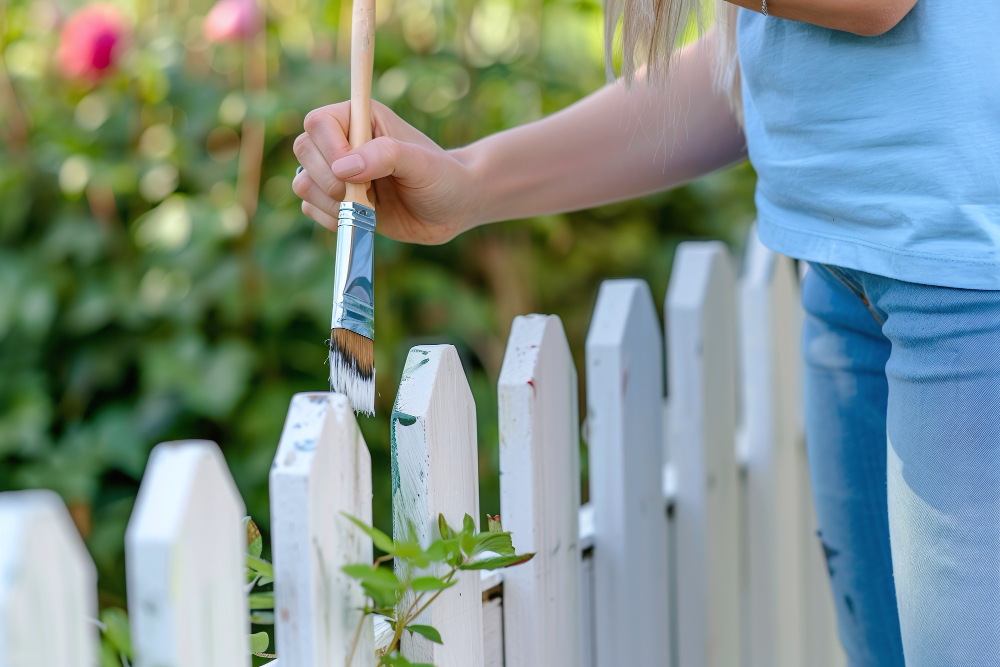
Wood needs staining or sealing every 2–3 years. That’s $300–$800 per treatment depending on your fence size and whether you hire it out. Over a decade, that adds $1,500–$4,000 in maintenance costs alone. And most wood fences need at least some board replacement by year 7–10, sometimes a full replacement by year 12–15.
Composite maintenance over 20 years? Around $200–$300 total. That’s just cleaning costs. No staining, no sealing, no board swaps.
Most composite fences break even against wood by year 7–10 when you factor in the full cost of ownership. After that, composite is actually the cheaper fence.
For current wood fence pricing, our wood fence cost guide has a full breakdown by species and style.
Lifespan and Durability
Wood:
- Treated pine: 10–15 years with regular maintenance
- Cedar: 15–20 years if properly stained and sealed every few years
- In high-humidity climates, fence posts at ground contact can show significant rot within 5–8 years
- In high-UV regions like Arizona, Texas, and Southern California, an untreated wood surface can start degrading within 12–18 months
Composite:
- Standard WPC: 25–30 year lifespan typical
- Capped composite: 30+ years, backed by manufacturer warranties
- Fully resistant to rot, insects, and moisture no treatment required
- Handles freeze-thaw cycles in cold climates without cracking (capped products specifically)
- Homeowners with composite fences spend up to 70% less time on maintenance compared to wood
The durability gap is real. It’s not marketing. Wood in a wet, hot, or termite-prone climate just doesn’t last as long as composite does even with proper care.
Maintenance: The Biggest Practical Difference
This is where composite earns its price premium for a lot of homeowners.
Wood fence maintenance schedule:
- Year 1-2: Looks great, minimal work needed
- Year 2-3: First stain or seal required
- Year 5-6: Check for board rot at ground level, replace any failures
- Year 8-10: Second full stain cycle, possibly more board replacements
- Year 12-15: Consider full replacement depending on wood species and climate
Composite fence maintenance schedule:
- Year 1-25+: Rinse with a garden hose when it looks dirty. That’s pretty much it.
One caveat: lower-quality composite in shaded, damp spots can develop surface mildew. It’s cosmetic, not structural, and a quick scrub with mild soap clears it. Buy capped composite and this is rarely an issue at all.
Still weighing your options? Our guide on how to choose the right fence for your home covers maintenance expectations across all major fence materials.
Appearance: Which One Looks Better?
Honest answer and this one cuts both ways.
Wood looks better fresh.
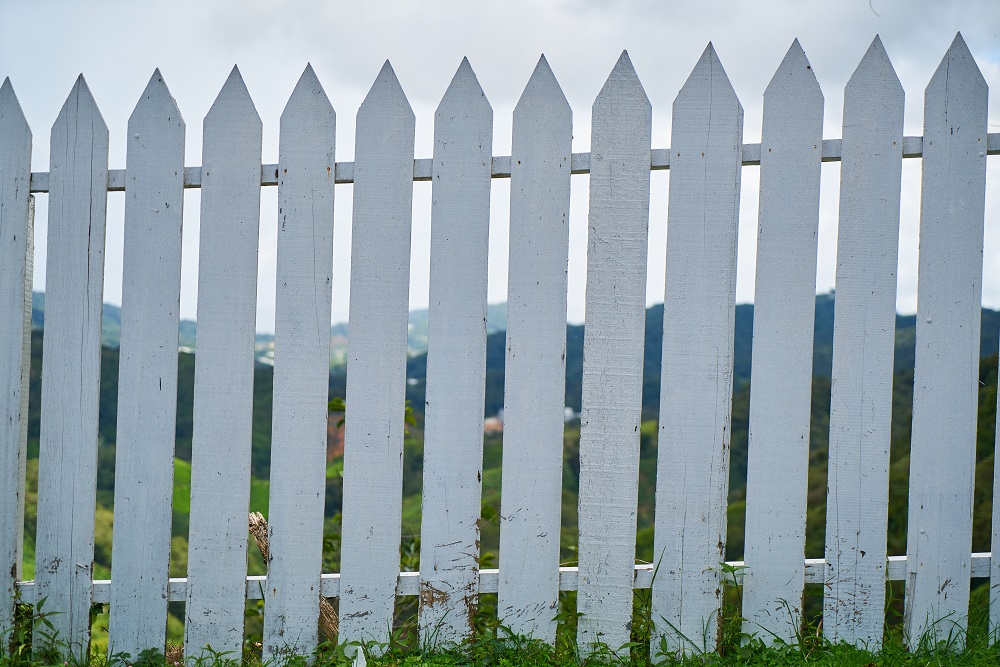
Real cedar or redwood has a grain, a warmth, and a natural variation that manufactured products genuinely haven’t fully replicated yet. It’s also completely customizable: any paint color, any stain, any finish. If you want a bright white fence or a deep charcoal gray, wood can do that.
The problem is wood doesn’t stay looking that way without work. Skip one staining cycle and the color fades, the grain opens up, and the boards start showing their age fast.
Composite looks more consistent over time.
Modern composite profiles in 2026 are genuinely impressive realistic woodgrain textures, warm brown and gray tones, driftwood finishes that photograph well and hold up in real life. The finish is uniform across every board, which gives it a clean, planned look that some homeowners actually prefer.
The trade-off: you can’t repaint it if you change your mind. You’re locked into the manufacturer’s color range at install time. And some early-generation or low-quality WPC products do fade noticeably in high-UV climates another reason to go capped if you’re buying composite.
Climate Matters: Which Fence Wins in Your Region?
| Climate / Region | Better Choice | Reason |
| High humidity (Southeast, Gulf Coast) | Composite | Wood rots fast at ground contact in wet conditions |
| Coastal areas (salt air exposure) | Composite | Salt accelerates wood decay and corrodes hardware |
| Dry/arid climates (Southwest) | Either | Wood holds up better in dry heat; UV still degrades untreated wood |
| Cold climates (Midwest, Northeast) | Composite | Handles freeze-thaw cycles without cracking or warping |
| Termite-prone areas (South, California) | Composite | Completely pest-resistant by design |
| Mild, temperate climates | Either | Both work; budget and preference decide it |
Frame It All’s 2026 climate guide on why wood fencing fails faster in today’s conditions is worth reading if you’re in a high-humidity or high-UV region and still considering wood.
The Real Downsides of Composite
Fair’s fair. Composite has genuine drawbacks and they’re worth knowing before you commit.
- Higher upfront cost. Premium composite can cost 150–300% more than a comparable wood install on day one. That’s a real number and it’s a real barrier for a lot of homeowners.
- You can’t change the color. Wood gives you full creative control. Composite locks you into what the manufacturer offers. If your taste changes in 10 years, you can’t just repaint it.
- Fading in high-UV areas. Non-capped WPC products can fade over time when hit with intense sun. Stick to capped or co-extruded products in sunbelt climates and this is far less of a concern.
- Surface mildew in shaded spots. Not a structural issue, just cosmetic. But worth knowing if your yard is heavily shaded.
- Heavier panels. Composite is denser than wood. That makes DIY installation harder and can add to labor costs compared to a standard wood fence build.
Is Composite Fence Worth the Money?
Yes if you:
- Plan to stay in the home for 10+ years
- Live in a humid, coastal, or termite-prone region
- Want near-zero maintenance for the life of the fence
- Care about the fence looking good consistently over time without work
Probably not if you:
- Have a tight upfront budget and cash flow matters more than long-term savings
- Plan to sell the home within 5 years
- Live in a dry climate where cedar holds up reasonably well
- Want full design flexibility to repaint or change the look down the road
Not Sure Which Fence Is Right for Your Yard?
The best fence isn’t just about the material — it’s about your yard size, your budget, your climate, and how long you want it to last. Use our free fence cost calculator to get an instant side-by-side estimate for wood and composite based on your actual yard dimensions.
FAQs
For long-term durability and low maintenance, composite wins clearly. For upfront cost and design flexibility, wood wins. The better choice depends on how long you're staying in the home, your climate, and your maintenance tolerance.
Quality composite fencing lasts 25–30+ years. Capped co-extruded products can exceed 30 years and typically come with manufacturer warranties to match. Wood fences last 10–15 years with regular staining and maintenance.
Composite fencing runs $25–$65 per linear foot installed. Standard WPC starts around $25–$35/ft. Premium capped composite runs $45–$65/ft. Costs vary by region, fence height, and contractor rates.
Modern composite comes close. Realistic woodgrain textures and warm tone options in 2026 are significantly better than early WPC products. But side-by-side with fresh cedar, composite is still an imitation -- a very good one, but not identical.
Higher upfront cost, limited color options (can't repaint), potential fading in high-UV climates with non-capped products, surface mildew risk in shaded areas, and heavier panels that make DIY installation harder.
No. Composite is engineered specifically to resist rot, moisture, insects, and warping. This is its core advantage over wood and the main reason for the higher price.
Generally no. Composite is manufactured with color built into the material. Unlike wood, it can't be repainted or stained, so you're locked into the manufacturer's color range at the time of installation.
For a privacy fence, composite leads on durability against rot, insects, and weather. Metal options like ornamental aluminum last longer overall but don't provide solid privacy. For a full privacy fence, composite is the most durable practical choice.
Estimate Your Fence Cost — Fast & Free
Get a Quick Quote With Estimate in Minutes.
Latest Post