Do You Need a Permit to Build a Fence? Here’s What the Rules Actually Say
- June 16, 2026
A lot of homeowners skip the permit step. They figure it’s just a fence how complicated can it be? Then they get a notice from the city, a fine in the mail, or worse, a removal order. And now the fence they paid $3,000 for has to come down.
So here’s the straight answer: whether you need a permit depends on four things your city’s rules, your fence height, where on your property it sits, and what it’s made of. There’s no single national rule. The federal government doesn’t regulate residential fences. It all happens at the city and county level, which means the rules in Dallas look nothing like the rules in San Francisco.
Here’s what you need to know before you order a single post.
The 4 Things That Trigger a Fence Permit
Most permit requirements come down to at least one of these:
1. Height
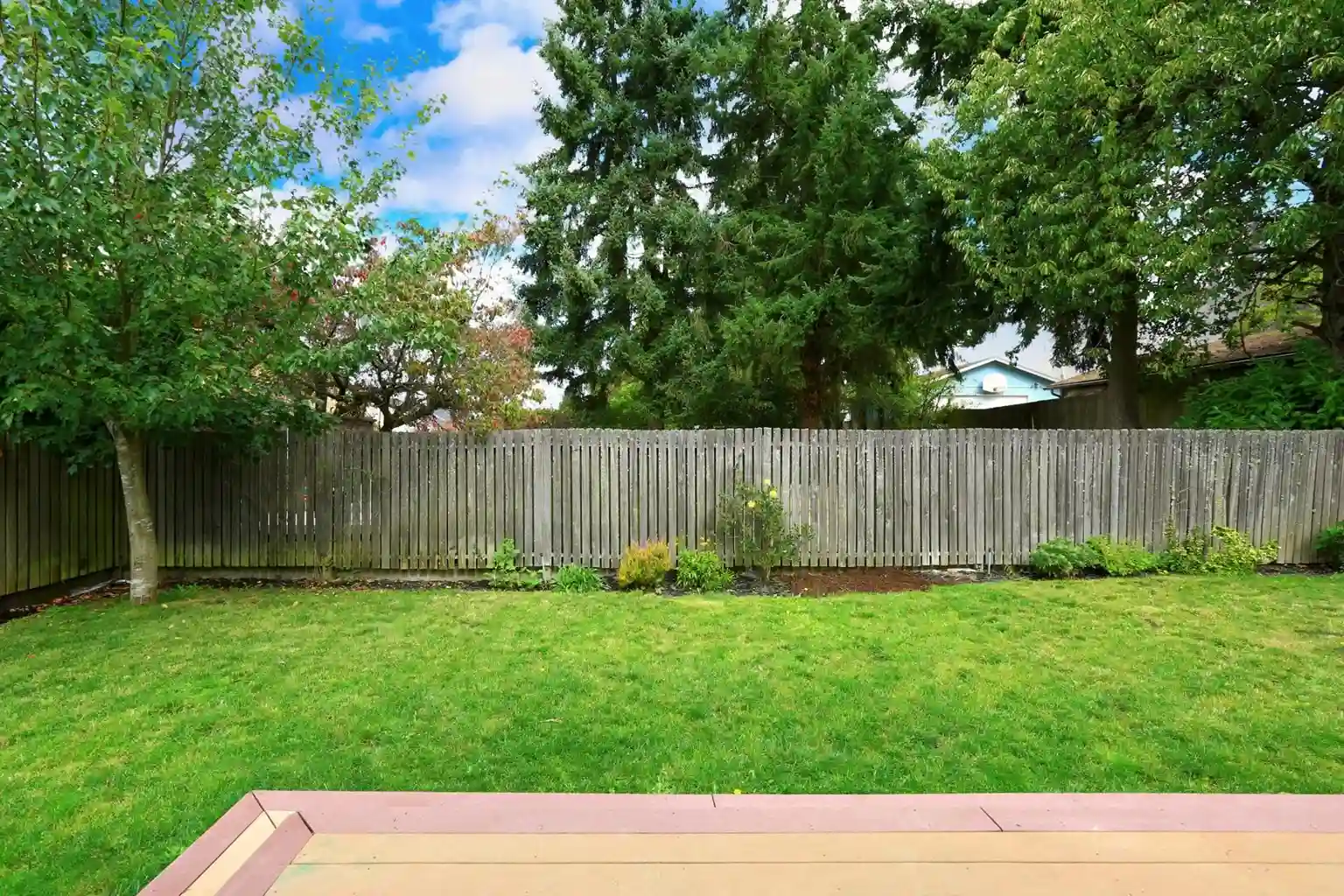
This is the biggest one. In most US cities, backyard and side yard fences under 6 ft don’t need a permit. Front yard fences are stricter usually capped at 3 to 4 ft. Go above those thresholds and you’re almost certainly looking at a permit.
2. Location on Your Property
Front yard? Corner lot? Near a sidewalk, alley, or public easement? Each of these locations has its own set of rules. Corner lots in particular have “sight triangle” requirements that keep fences low near intersections so drivers can see oncoming traffic.
3. Material
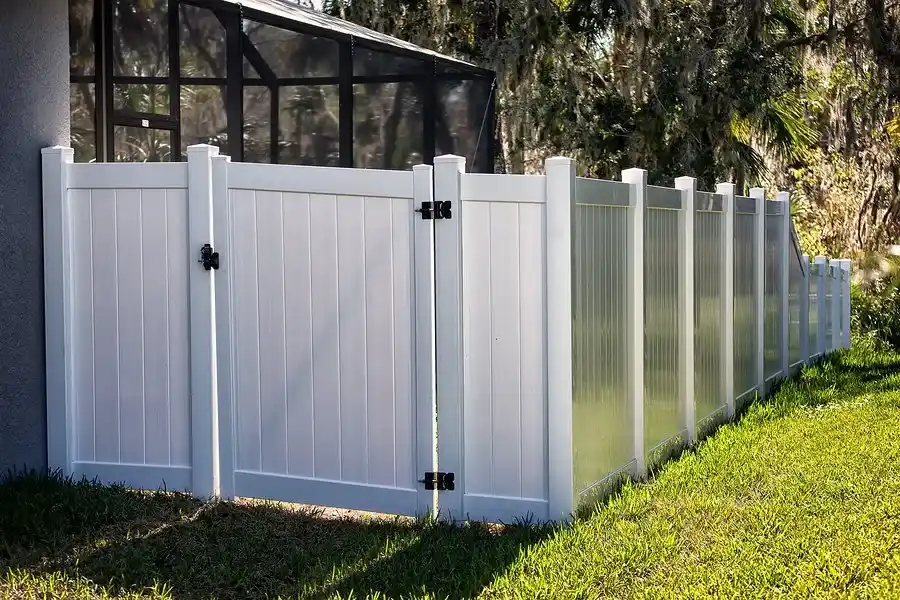
Standard wood, vinyl, and aluminum fences are treated one way. Masonry walls, concrete block, and brick fences are treated very differently. Heavy structural materials almost always require a permit, no matter the height.
4. Special Use
Pool enclosure? Historic district property? Commercial lot? These categories trigger permit requirements regardless of height or material. Pool fences in particular are strictly regulated for safety reasons across nearly every state.
Permit fees across the country range from $20 to $500 for residential projects, with commercial permits running higher.
General Rules Most US Cities Follow
Rules vary, but there’s a fairly consistent pattern across most municipalities.
Front Yard Fences
- Typically capped at 3 to 4 ft in height
- Many cities require a permit for any front yard fence, even short ones
- Solid privacy fences in front yards are often restricted or flat-out banned
Backyard and Side Yard Fences
- Up to 6 ft: Usually no permit needed in standard residential zones
- Over 6 ft: Almost always requires a permit and sometimes a variance
- Corner lots follow stricter rules near intersections
Pool Fences
- Nearly always require a permit, everywhere
- Minimum height of 48 inches is standard across most states
- Gates must be self-closing and self-latching
- No openings larger than 4 inches are allowed
HOA and Historic Districts
- HOA rules can be stricter than what the city allows and both apply
- Historic district fences often need sign-off from an architectural review board
- When HOA rules and city rules conflict, the stricter one wins
State-by-State Fence Permit Snapshot (2026)
This table covers general guidelines. Always verify with your local building or zoning department rules can change between cities in the same state.
| State | Permit Rule (General) | Front Yard Limit | Backyard Limit | Key Notes |
| California | Permit required over 6–7 ft (varies by city) | 3 ft | 6 ft | Extra fire-zone rules in wildfire areas; SF allows 6 ft rear without permit |
| Texas | Mostly city-level; state is fence-friendly | Varies | Varies | Rural properties have very few restrictions |
| Florida | Permit required in most counties | 4 ft | 6 ft | Orange County requires permits for ALL residential fences |
| New York | Under 6 ft: no permit for 1-2 family homes (NYC) | 4 ft (R1-R5 zones) | 6 ft | Older fences built before April 2008 may have different rules |
| Indiana | Under 6 ft rear/side: no permit needed (Indianapolis) | 4 ft | 6 ft | Corner lots and historic districts are exceptions |
| Georgia | Permit required for new fences (Atlanta) | 4 ft, open style only | 6 ft | Landmark districts need extra approval |
| Kentucky | Permit required over 7 ft or for retaining walls | Varies | 7 ft | Most standard fences are permit-free |
When You DON’T Need a Permit
Just as important as knowing when you do need one. In most US cities, you’re permit-free when:
- You’re replacing an existing fence with the same height and same material in the same location
- You’re doing minor repairs swapping a few pickets or resetting one post
- Your decorative garden border is under 3 ft tall
- Your backyard or side yard fence is 6 ft or under, made of standard materials like wood or vinyl
- You’re installing a temporary fence for an event or short-term project (though commercial temp fences can still require permits)
Not sure if your project counts as a “replacement” or a “new installation”? Your local building department is the right call. Don’t rely on your neighbor’s interpretation.
For help choosing the right material before you apply, see our guide on how to choose the right fence for your home.
What Happens If You Build Without a Permit?
This is where people get into real trouble. Skipping the permit isn’t just a technicality the consequences are genuinely painful.
Fines
Most cities start at $50 and go up from there. Repeat violations or large unpermitted structures can result in fines that far exceed what the permit would have cost in the first place.
Forced Removal
The city can issue a removal order. That means tearing down the fence at your own expense. No reimbursement, no compromise.
Retroactive Permits
Some cities will let you apply for a permit after the fact. But retroactive permits cost more than standard ones, and there’s no guarantee of approval. If the fence violates code, it comes down either way.
Home Sale Problems
Unpermitted structures show up during inspection. Buyers walk, lenders hesitate, and closing gets delayed or cancelled. A $200 permit saved upfront can prevent a deal falling through years later.
Neighbor Disputes
An unpermitted fence that’s over the property line or violates setback rules gives your neighbor legal standing to take action. Property line disputes get expensive fast.
How to Get a Fence Permit Step by Step
The process isn’t as complicated as most people assume. Here’s how it works in most cities:
Step 1: Contact Your Local Building or Zoning Department
Start here, not with your contractor. Find out exactly what your city requires before you plan anything. Most cities now have this info on their website.
Step 2: Get Your Property Survey
You need to know your exact property lines before you apply. If you don’t have a current survey, you may need to get one. Installing a fence on the wrong side of the property line is a serious problem.
Step 3: Prepare Your Application
Most cities ask for: fence height, material type, and a site plan or plat showing where the fence will sit on the property.
Step 4: Submit and Pay the Fee
Fees run $20 to $500 for most residential projects. Most cities now accept online submissions, which speeds things up considerably.
Step 5: Wait for Approval
Typical review time is 1 to 4 weeks. Some cities offer expedited review for an additional fee.
Step 6: Schedule Required Inspections
Some jurisdictions require a post-installation inspection to confirm the fence matches the permit. Don’t skip this step — it’s what closes out the permit officially.
Step 7: Keep Your Permit Documentation
File it somewhere safe. You’ll need it if you ever sell the home or deal with a neighbor dispute.
HOA Rules: The Second Layer You Can’t Ignore
Getting a city permit doesn’t mean you’re done. If you live in an HOA community, you need approval from them too and their rules can be stricter than what the city allows.
HOAs can restrict:
- Fence height (sometimes lower than the city maximum)
- Material and color
- Style (picket vs. privacy vs. rail)
- Which side of the fence faces the street
If your HOA denies your fence, the city permit doesn’t override that. You’d need to either modify the design or go through the HOA’s appeals process. Always read your CC&Rs before you buy materials or pull a permit.
Quick Reference: Do I Need a Permit?
| Situation | Permit Likely Needed? |
| Backyard fence under 6 ft, wood or vinyl | Usually NO |
| Front yard fence over 4 ft | YES |
| Any fence over 6 ft tall | YES |
| Pool enclosure fence | YES |
| Masonry or concrete wall | YES |
| Simple repair (a few boards or one post) | Usually NO |
| Replacing fence — same height, same material | Usually NO |
| Fence in a historic district | YES |
| Corner lot fence near an intersection | YES |
| Commercial property fence | YES |
Starting a Fence Project? Get Your Estimate First.
Before you walk into the building department, know what you’re building. The material, height, and linear footage all go into your permit application and your budget. Use our free fence cost calculator to get an instant estimate based on your actual yard size and your preferred fence material.
FAQs
In most US cities, no permit is needed for a standard backyard fence under 6 ft made of wood or vinyl. But front yard fences, anything over 6 ft, pool enclosures, and masonry walls almost always require one.
Permit fees typically range from $20 to $500 for residential projects, depending on your city. Commercial permits run higher. Some cities charge a flat fee; others calculate based on the fence's linear footage.
In most residential zones, a 6 ft backyard fence doesn't require a permit. Anything taller usually does. Front yard rules are stricter -- most cities cap those at 3 to 4 ft.
Fines starting at $50, potential forced removal at your expense, higher retroactive permit fees, complications during home sales, and possible legal disputes with neighbors.
Usually not, if you're replacing it with the same material, same height, in the same location. Changing height or materials can trigger permit requirements even for a replacement.
Most permit applications take 1 to 4 weeks. Cities with online submission portals tend to process faster. Some offer expedited review for an extra fee.
Texas has almost no state-level fence regulations. Rules are set at the city level and vary widely. Rural properties typically have minimal restrictions. Check with your specific city's building department.
Yes, in most Florida counties. Orange County requires permits for all residential fence projects. Pool fences always need a permit and must meet strict height and gate safety standards.
Estimate Your Fence Cost — Fast & Free
Get a Quick Quote With Estimate in Minutes.
Latest Post