Fence Cost Per Foot: What You’ll Actually Pay in 2026 (By Material and Region)
- July 14, 2026
Quick answer: most homeowners pay $10 to $65 per linear foot for a professionally installed fence in 2026, with $20 to $45 covering a typical 6-foot residential fence. Material is the biggest lever. Chain link sits near the bottom of that range, wrought iron and composite sit near the top, and your region and site conditions move the number the rest of the way.
Ask three fence contractors for a quote and you’ll probably get three different numbers, even for what looks like the same job. That’s not one of them padding the bill. Cost per foot moves based on what you’re building it out of, where you live, and what your yard is actually like underneath the grass. Here’s how each of those pieces works, so you know what a fair number looks like before anyone shows up with a post-hole digger.
How Much Does a 6-Foot Privacy Fence Cost Per Foot?
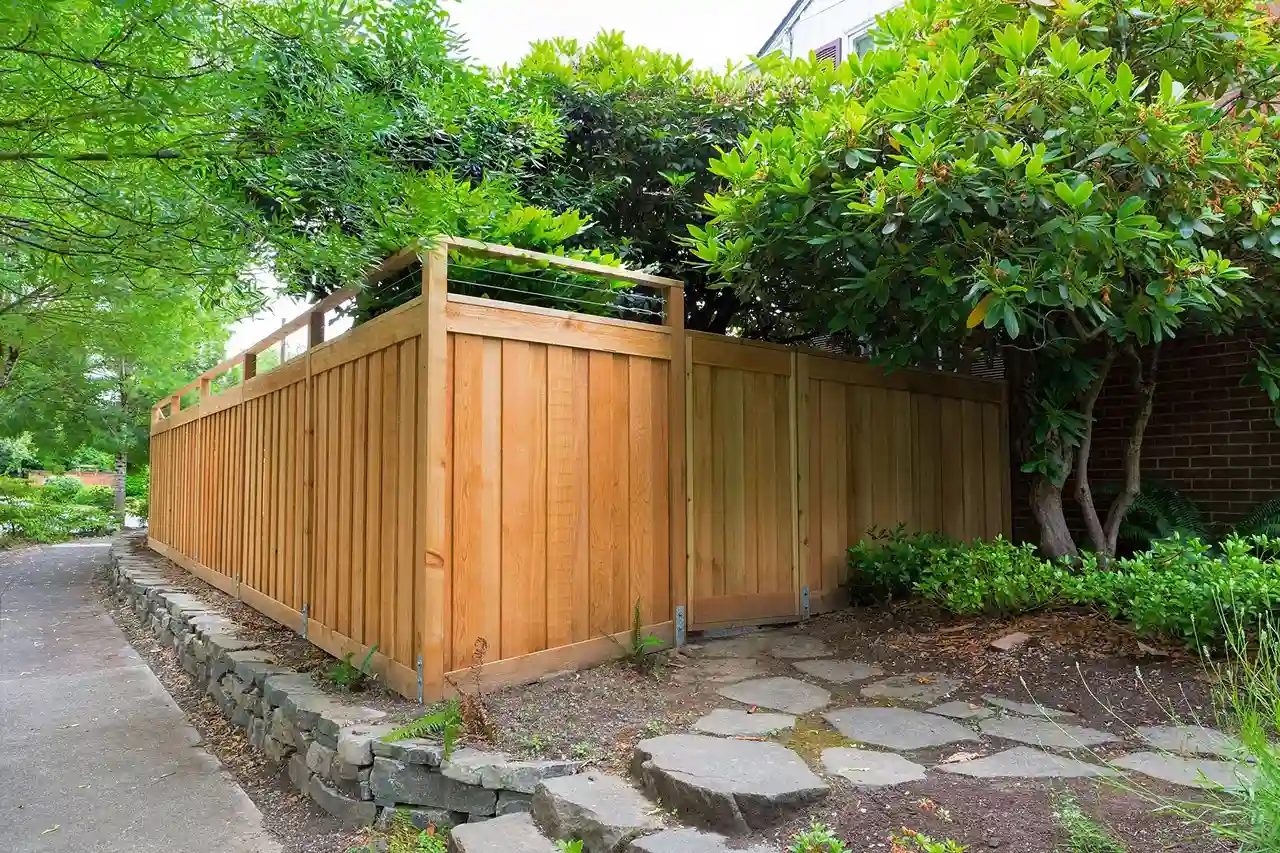
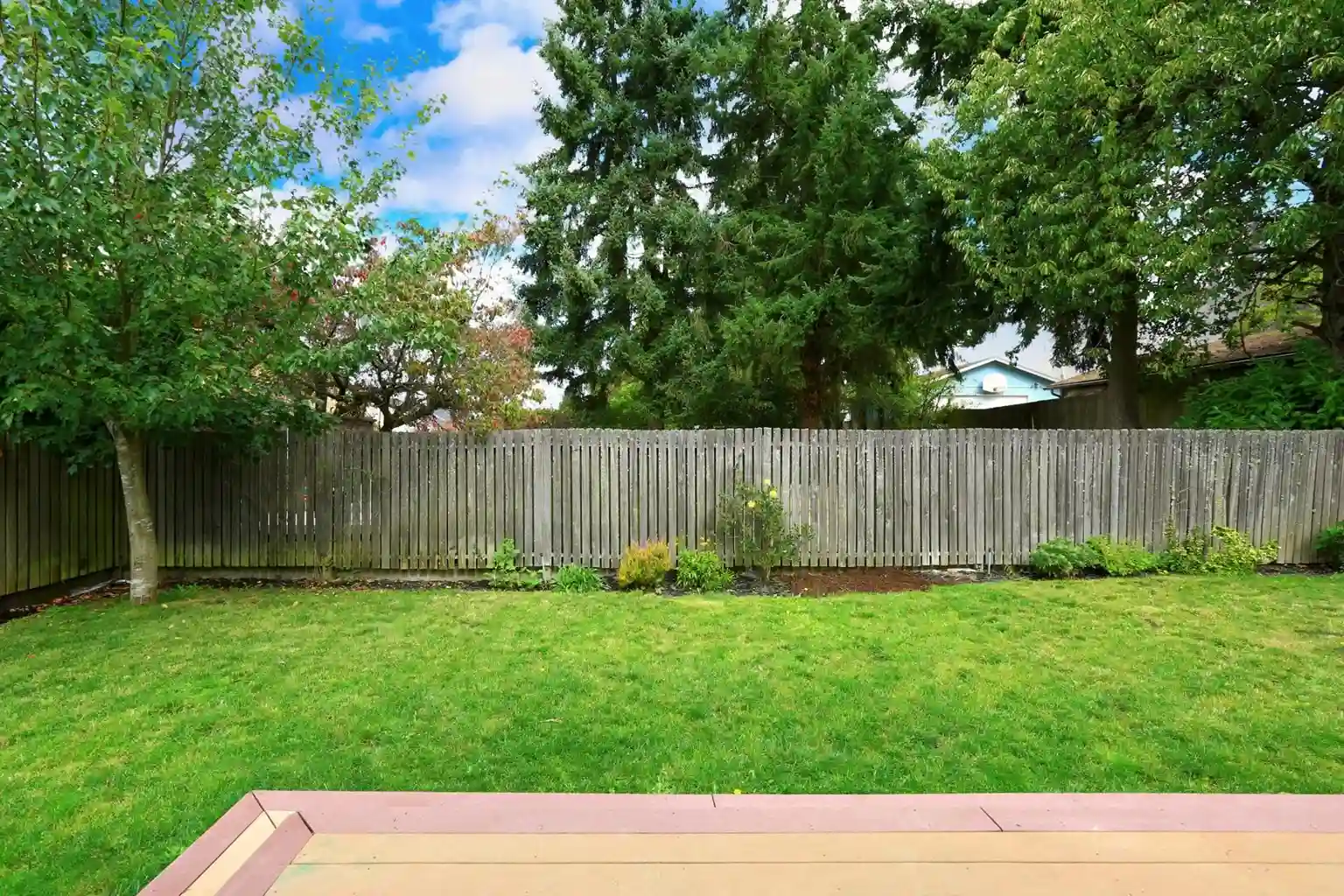
A 6-foot privacy fence is the most common residential build, so it deserves its own number instead of getting lumped into a generic average. Here’s where the three most popular privacy materials land per linear foot, installed, in 2026:
| Material (6-ft privacy) | Cost Per Foot Installed |
|---|---|
| Pressure-treated pine | $18 – $38 |
| Cedar | $25 – $55 |
| Vinyl | $28 – $55 |
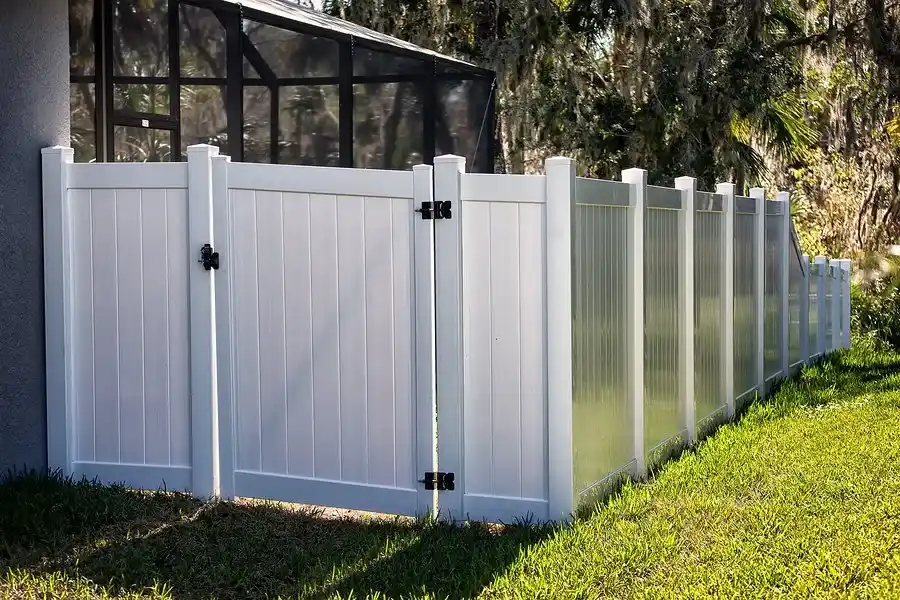
Pine is the budget entry point. Cedar costs more upfront but holds up better against rot and insects without much extra work. Vinyl fence costs the most out of the gate but skips the staining and sealing that wood needs every couple of years, which is worth factoring in if you’re planning to stay in the house a while.
Fence Cost Per Foot by Material
Zooming out to every common material, here’s the full installed range:
| Material | Cost Per Linear Foot (Installed) |
|---|---|
| Chain link | $8 – $35 |
| Pressure-treated pine | $12 – $25 |
| Cedar | $15 – $55 |
| Redwood | $20 – $40 |
| Vinyl | $20 – $60 |
| Aluminum | $20 – $55 |
| Wrought iron / composite | $30 – $100+ |
These ranges line up with Angi’s fence installation cost data, which puts the national installed average around $23 per linear foot with chain link running the least expensive and premium materials like wrought iron running well past $50 a foot. If you want the full breakdown for a specific material, we’ve got dedicated guides for each one:
- Wood fence cost, including cedar vs. pine vs. redwood
- Vinyl fence cost
- and long-term savings math
- Chain link fence cost for larger runs
- Aluminum fence cost and where it fits between wood and iron
(Those four bullets link out to the full guides below in the internal-linking section, so a reader who wants the deep dive on one material can jump straight there.)
Why Fence Cost Per Foot Varies by Region
The same fence can cost noticeably more in Boston than it does in Houston, and it’s not random. Three things drive most of the regional gap:
- Labor rates. Skilled installer wages run higher in the Northeast and West, and lower across much of the South and Midwest.
- Material transport. Freight and supplier distance add cost in areas farther from lumber mills, vinyl extrusion plants, and steel distributors.
- Permit and inspection fees. These are set locally, so a $40 permit in one county can be a $400 permit twenty miles away.
Soil plays a role too. A crew working flat, sandy ground can set posts far faster than one dealing with rocky or root-heavy clay, and slower digging means more labor hours billed against the same linear footage.
Worked Example: Converting Your Yard Size to Total Fence Cost
Fence pricing is quoted by linear foot, not square footage, which trips people up when they’re used to thinking about their lot in acres. Here’s the quick conversion: a perfectly square 1-acre lot has a perimeter of roughly 835 linear feet (an acre is 43,560 square feet, so each side runs about 209 feet, and 209 x 4 ≈ 835).
Say you’re fencing that full acre in 6-ft cedar privacy fencing at $35 per foot as a mid-range estimate: 835 ft x $35 = roughly $29,225 installed. Most residential jobs are smaller than a full acre, since homeowners are usually fencing a backyard rather than the whole property line. A quarter-acre backyard typically works out to 150–200 linear feet, which puts that same cedar fence closer to $5,250–$7,000.
The math is simple once you have your actual footage: linear feet x cost per foot for your material = your baseline installed estimate, before gates, removal, or permits.
What’s Included vs. What Costs Extra
A per-foot quote usually covers the fence itself. These common add-ons often show up as separate line items:
- Labor: typically 35–55% of the installed total, with the rest going to material.
- Old fence removal: $3–$8 per linear foot for demo and haul-away.
- Gates: $100–$600 for a standard walk gate, $600–$1,500+ for a wide double drive gate.
- Permits: $20–$500 depending on your municipality and fence height.
Ask every contractor to itemize these separately rather than folding them into one lump number. It’s the only way to actually compare two bids apples-to-apples.
Ready to see your exact number?
Skip the national averages and get your free instant estimate with the Fence Price Calculator. Enter your material, footage, and zip code, and we’ll give you a real cost range built for your project, not the whole country’s.
Prefer to talk to someone local first? Find a rated fence company near you and get a walkthrough quote before you commit to a material.
FAQs
Chain link runs $8 to $35 per linear foot installed in 2026, making it the most budget-friendly option on this list. The low end covers basic residential-grade galvanized fencing; the high end includes privacy slats or vinyl coating.
Labor alone typically runs $5 to $20 per linear foot, or roughly 35–55% of your total installed price depending on your region and how difficult the terrain is to dig.
A 6-foot privacy fence runs $18 to $55 per linear foot installed depending on material, with pressure-treated pine at the low end and cedar or vinyl at the higher end.
Linear feet. Contractors price by the length of the fence line, not the square footage of your lot, which is why a long, narrow lot can cost more to fence than a smaller, more compact one.
Yes. Going from a 4-foot to a 6-foot fence typically adds 20–50% to the per-foot cost, and 8-foot fences can approach double the 4-foot price while also triggering a permit requirement in most areas.
No. Composite is engineered specifically to resist rot, moisture, insects, and warping. This is its core advantage over wood and the main reason for the higher price.
Generally no. Composite is manufactured with color built into the material. Unlike wood, it can't be repainted or stained, so you're locked into the manufacturer's color range at the time of installation.
For a privacy fence, composite leads on durability against rot, insects, and weather. Metal options like ornamental aluminum last longer overall but don't provide solid privacy. For a full privacy fence, composite is the most durable practical choice.
Estimate Your Fence Cost — Fast & Free
Get a Quick Quote With Estimate in Minutes.
Latest Post