Chain Link Fence vs Wood Fence: Which Is More Affordable?
- May 9, 2026
Choosing between a chain link fence and a wood fence often comes down to a battle between the checkbook and the aesthetic. While wood offers that classic Americana charm, chain link is the undisputed heavyweight champion of utility and value. As we move through 2026, material costs and labor trends have shifted, making it more important than ever to look at the Total Cost of Ownership rather than just the initial quote.
A fence is a multi-decade commitment. Whether you are looking to secure a perimeter for a new puppy or trying to create a secluded oasis from nosy neighbors, the material you select will dictate your weekend schedule and your long-term bank balance. This guide provides a side-by-side, deep-dive breakdown of these two popular backyard fence materials to help you decide which one earns a spot on your property line.
Overview of Chain Link and Wood Fences
To the casual observer, the choice is simple: metal vs. wood. However, each material serves a distinct architectural purpose and carries its own set of structural characteristics.
The Evolution of Chain Link Fences
Also known as cyclone or wire-mesh fences, these are made from interwoven galvanized steel wires. Historically, chain link was relegated to industrial sites or playgrounds because of its utilitarian, “silver” look. However, in 2026, the market has shifted.
Black-out vinyl-coated chain link has become a dominant trend in residential neighborhoods. By coating the galvanized steel in a durable PVC or poly-coated finish, manufacturers have created a fence that virtually disappears into the shadows of your landscaping. It offers a more sophisticated, residential look that provides the strength of steel without the “prison-yard” aesthetic of the past.
The Tradition of Wood Fences
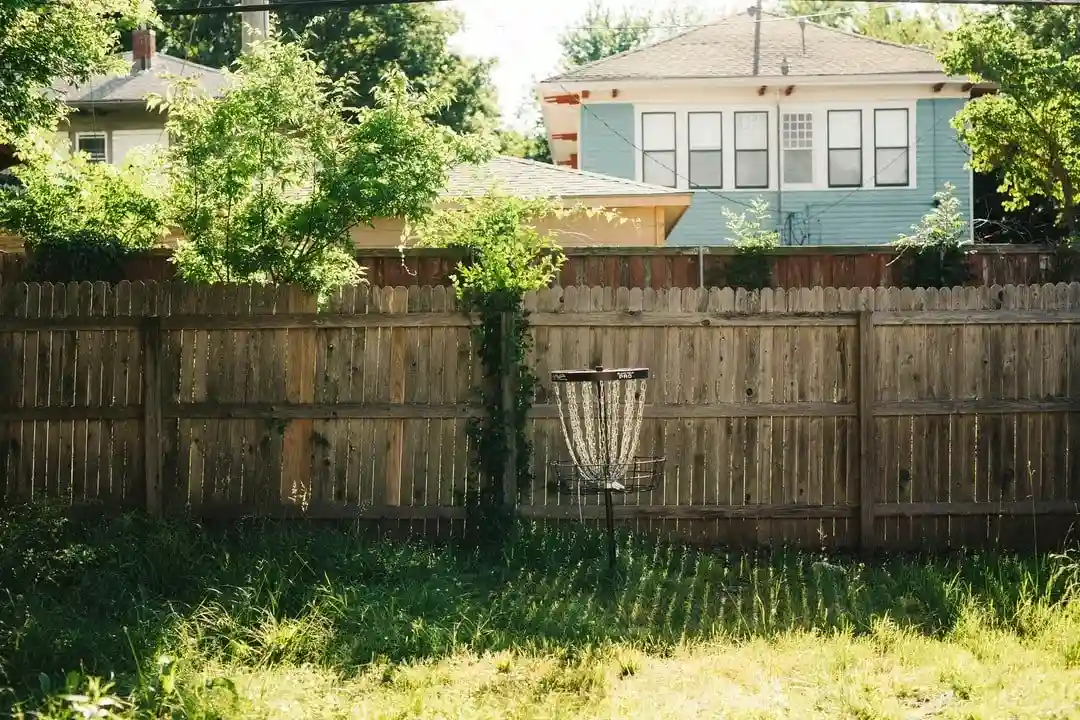
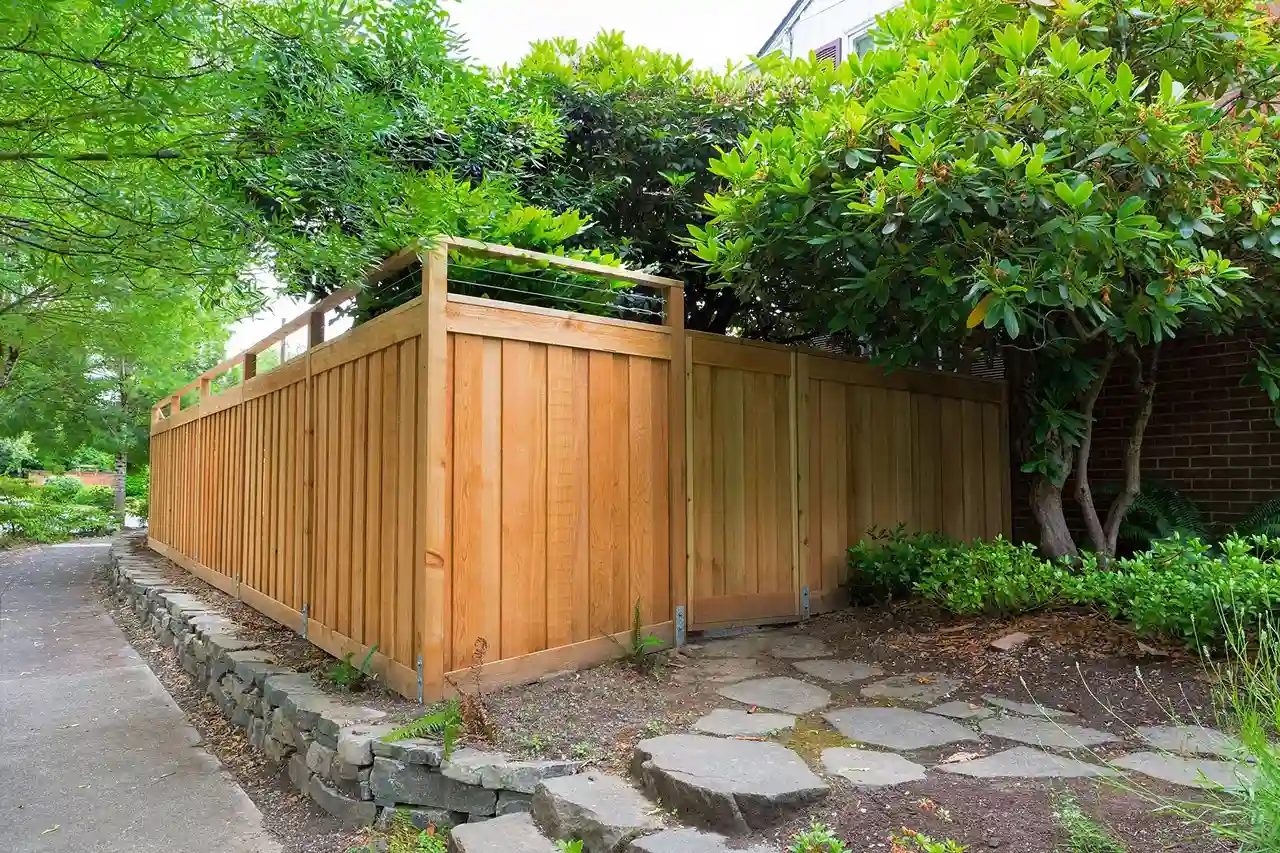
Wood remains the traditional choice for privacy and curb appeal. It is a natural material that feels organic and warm. Most residential wood fences are constructed from either pressure-treated pine or cedar.
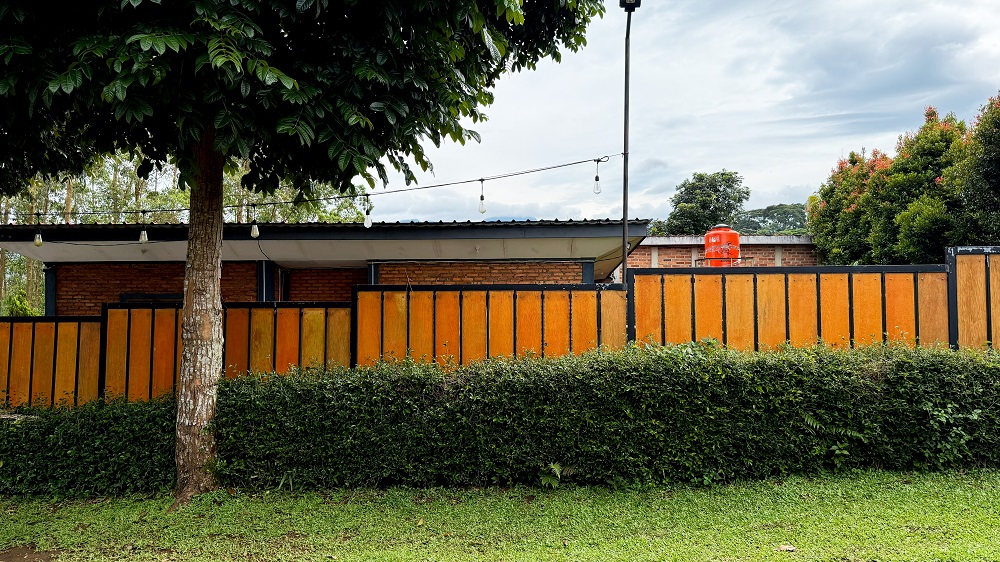
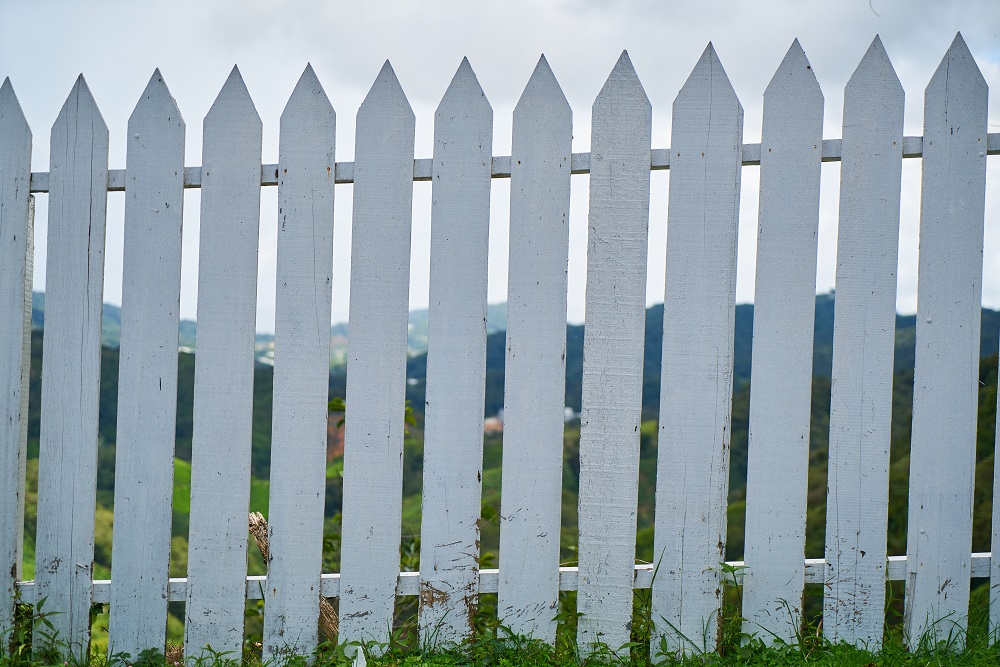
The versatility of wood is its greatest strength. It can be customized into endless styles, from the nostalgic white picket fence to the modern vertical privacy panels or the “contemporary horizontal slat” design currently dominating luxury home builds in 2026. Wood allows for complete visual customization, as it can be painted or stained in any hue to match your home’s exterior trim.
Cost Comparison: The Upfront vs. Long-Term Reality
When searching for cheap fencing options, chain link is almost always the winner on paper. However, as any veteran homeowner will tell you, the purchase price is only the beginning of the story.
Installation and Material Costs
The gap in pricing narrows depending on the specific “grade” of material and the height of the structure. A thick-gauge, vinyl-coated chain link fence may actually cost more than a basic, thin-slat pressure-treated pine fence.
| Feature | Chain Link Fence (Installed) | Wood Fence (Installed) |
| Cost per Linear Foot | $15 – $30 | $25 – $50 |
| Typical 200ft Project | $3,000 – $6,000 | $5,000 – $10,000 |
| DIY Material Cost | $7 – $12 / ft | $12 – $20 / ft |
| Labor Intensity | Moderate | High |
| Long-Term Expense | Very Low | High (staining/sealing) |
According to 2026 market data from Angi, a standard wood fence installation currently costs roughly 40% to 60% more than a similarly sized chain link project. While pressure-treated pine remains the most economical wood choice, it still requires a higher upfront investment in labor. This is because installing wood involves measuring, cutting, and perfectly aligning hundreds of individual pickets, whereas chain link is unrolled in large, continuous sections.
The “Hidden Tax” of Wood
The true cost of a wood fence reveals itself around year three. Wood is an organic material that reacts to moisture, UV rays, and temperature swings. To prevent a wood fence from turning gray, brittle, and eventually rotting, it requires regular “life support” in the form of professional staining or sealing.
In contrast, the long-term expense of a chain link fence is near zero. Once the posts are in the ground and the mesh is tensioned, there are no recurring costs associated with its survival.
Durability Comparison: Longevity vs. Lifestyle
Durability is where the chain link vs wood fence debate becomes a matter of structural engineering versus environmental endurance.
Chain Link: The “Set It and Forget It” Solution
A galvanized steel fence is impervious to the three greatest enemies of fencing: termites, rot, and fire. Steel does not warp in the sun, and it does not sag under the weight of moisture.
Most residential chain link fences installed today are expected to last 25 to 30 years. If you opt for the vinyl-coated versions, you can often exceed this mark, as the coating acts as a secondary barrier against the oxidation that causes rust. For homeowners who want a “one-and-done” solution, chain link is the undisputed winner.
Wood: The Beautiful but Fragile Boundary
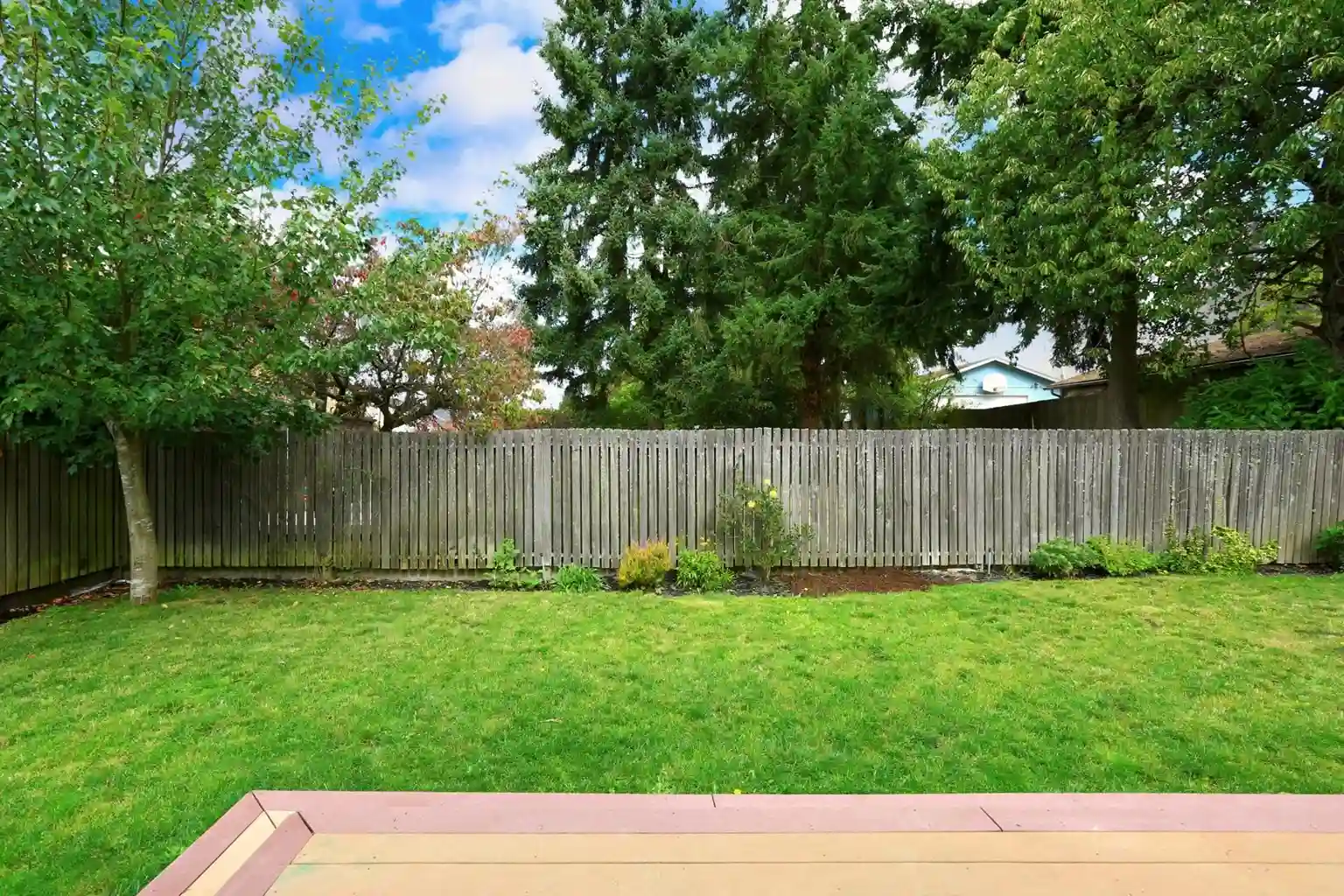
Wood is constantly in a state of decay from the moment it is harvested. Even high-quality Western Red Cedar, which contains natural oils that repel insects, rarely lasts beyond 15 to 20 years without significant board replacements.
In humid or rainy climates, wood is highly susceptible to “ground rot.” This occurs at the “grade level” where the wooden post meets the soil. Even if the post is set in concrete, water can pool in the micro-gaps between the wood and the cement, leading to internal rot that eventually causes the fence to lean or collapse during a windstorm.
Maintenance Requirements
The difference in maintenance between these two materials is the difference between a relaxing weekend and a grueling DIY project.
Wood Maintenance Schedule
To keep a wood fence looking like it did on installation day, you must adhere to a strict maintenance cycle:
- Power Washing: Every 2 years to remove algae, mold, and grayed wood fibers.
- Drying Time: Waiting 48 to 72 hours for the wood to reach a specific moisture percentage.
- Staining/Sealing: Applying a UV-rated oil or water-based sealant.
In 2026, professional staining services for a standard backyard fence average between $500 and $1,500 per application. Over 20 years, you could easily spend more on maintaining the wood than you did on the original installation.
Chain Link Maintenance Schedule
The maintenance for chain link is essentially non-existent.
- Annual Rinse: An occasional spray with a garden hose to remove mud or grass clippings at the base.
- Vegetation Control: Ensuring that heavy vines or “weed trees” don’t grow into the mesh, which can tension the wire and cause it to sag over time.
Security and Privacy: Defining Your Sanctuary
This is the only category where wood often takes a decisive lead, as the two materials offer completely different levels of containment.
The Privacy Gap
A standard chain link fence offers zero privacy. It is a transparent barrier. While this is great for maintaining a view of a nearby forest or lake, it is terrible for keeping your backyard activities private from neighbors.
You can add “privacy slats”—long strips of plastic that slide into the mesh—but these only provide about 80% to 90% coverage. Furthermore, slats can become brittle and rattle in the wind. A wood “board-on-board” or “side-by-side” fence provides a 100% visual barrier, turning your yard into a true outdoor room.
The Security Factor
When it comes to keeping things in or out, both fences are effective, but they work differently:
- Pets: Chain link is excellent for dogs because they can see what’s happening outside the yard, which often reduces territorial barking. However, small dogs can sometimes dig under the flexible bottom tension wire if it isn’t properly secured.
- Intruders: Chain link is surprisingly difficult to climb because the mesh is too small for most shoes to find a foothold. It is also difficult to cut without loud, heavy-duty bolt cutters. Wood fences, while tall, can sometimes be scaled by using the horizontal “back rails” as a ladder.
For high-stakes security, the International Code Council (ICC) often references chain link specifications for safety barriers around pools and industrial sites because of its reliable structural performance.
Which Fence Is Right for Your Property?
Before signing a contract, you must evaluate your specific property needs against these two profiles.
Choose Chain Link if:
- Budget is the Primary Driver: You need to fence a large area (like an acre) and want to keep costs under five figures.
- You Own “Jumpers” or “Chewers”: Some dogs will chew through wood pickets or use them as leverage to climb over; chain link is much more “dog-proof.”
- Low Maintenance is Non-Negotiable: You want a fence that looks the same in ten years without you ever picking up a paintbrush.
- Wind Resistance is Needed: If you live in a high-wind or hurricane-prone zone, the open weave of chain link allows air to pass through, whereas a solid wood fence acts like a sail and can be ripped out of the ground.
Choose Wood if:
- Privacy is Your “North Star”: You have close neighbors and want to enjoy your patio without feeling watched.
- Curb Appeal Matters for Resale: You plan to sell your home in the next 5 years. A beautiful wood fence is a major selling point that increases “perceived value.”
- You Want Noise Reduction: Wood is a denser material that naturally dampens neighborhood noise, such as traffic or lawnmowers.
- HOA Regulations: Many modern Homeowners Associations (HOAs) explicitly forbid chain link fences, requiring wood or vinyl to maintain a specific “neighborhood look.”
Strategic Considerations for 2026
As we move deeper into 2026, two factors are significantly impacting the chain link vs wood fence decision: Sustainability and Smart Technology.
The Eco-Friendly Angle
Wood is renewable, but only if it is sourced from certified sustainable forests. However, the chemicals used in “pressure-treated” wood can be harsh. Chain link, being made of steel, is 100% recyclable. Many modern steel fences are actually made from recycled scrap metal, giving them a surprisingly low carbon footprint over their 30-year lifespan.
Smart Fencing Integration
With the rise of the smart home, fences are no longer just static barriers. Homeowners are now installing “Perimeter Security Systems” that integrate directly into the fence line. Chain link is particularly well-suited for this, as its steel posts provide a stable mounting point for solar-powered cameras and motion sensors that can “see” through the mesh, providing a wider field of view than a solid wood fence would allow.
Conclusion
The choice between chain link and wood is a trade-off between affordability and aesthetics.
Chain link is the logical, “smart-money” choice for homeowners who prioritize long-term durability and low costs. It is the ideal tool for pet containment, large lot security, and homeowners who value their time too much to spend it staining wood.
Wood is the emotional and stylistic choice for those who view their backyard as a private sanctuary. It provides the “visual silence” and architectural beauty that only natural materials can offer, provided the homeowner is willing to pay the “maintenance tax” required to keep the wood healthy.
In the 2026 market, as lumber prices remain volatile and labor costs continue to rise, chain link continues to be the most strategic option for the budget-conscious homeowner. However, the best fence is ultimately the one that satisfies your specific need for either “The View” (Chain Link) or “The Vault” (Wood).
FAQs
Yes, significantly. On average, you can expect to save between $10 and $20 per linear foot by choosing chain link. For a standard 200-foot backyard perimeter, this translates to an immediate savings of $2,000 to $4,000. When you factor in the lack of maintenance costs over 20 years, the savings can exceed $10,000.
Chain link is the clear winner in longevity. A galvanized or vinyl-coated chain link fence typically lasts 25 to 30 years with zero structural failure. A wood fence, even with perfect maintenance, usually begins to show significant rot, warping, or sagging after 15 to 20 years.
It is excellent for security. Because it is transparent, it eliminates hiding spots for intruders. The interwoven steel is also extremely difficult to breach without specialized tools. This is why you see chain link used by the National Institute of Building Sciences for high-security facility recommendations.
You can improve privacy by adding vinyl slats, "windscreen" mesh fabric, or by planting "living fences." Growing climbing plants like Ivy, Honeysuckle, or Star Jasmine through the chain link mesh can eventually create a thick, green privacy wall that is more beautiful than wood, though it takes a few years to grow in.
If you are replacing an existing fence, budget for the "demo and haul" fee, which usually adds $3 to $5 per linear foot to the project. For a 200-foot yard, a full chain link replacement will average $4,000 to $7,000, while a wood replacement will range from $6,000 to $11,000.
In most US municipalities, any fence over 6 feet tall requires a building permit. Some cities also have "zoning" requirements for front-yard fences, often limiting them to 3 or 4 feet to ensure "sight-line" safety for drivers. Always check with your local building department before purchasing materials.
Estimate Your Fence Cost — Fast & Free
Get a Quick Quote With Estimate in Minutes.
Latest Post