8 Signs It’s Time to Replace Your Old Fence
- May 20, 2026
A home’s fence is its first line of defense against the outside world. It provides privacy, contains pets, and frames the aesthetic of your property. However, like any exterior structure exposed to the relentless cycle of sun, rain, and snow, fences eventually reach a point of “diminishing returns.” While a quick patch-up might seem like a cost-effective solution, there comes a time when continuing to fix an aging structure is simply throwing good money after bad.
Knowing when to replace a fence is a critical skill for homeowners looking to maintain property value and safety. In this guide, we will explore the red flags that indicate your perimeter has moved beyond the point of simple damaged fence repair and requires a total overhaul.
Why Fence Replacement Is Important
A failing fence is more than just a cosmetic eyesore; it is a structural and legal liability. As we move through 2026, the emphasis on home security and smart landscaping has increased, making a sturdy perimeter even more vital.
- Security and Safety: A fence with gaps or weak points cannot effectively keep intruders out or keep energetic pets and children in.
- Property Value: Real estate experts note that “curb appeal” accounts for up to 7% of a home’s total value. A rotting or leaning fence is often the first thing a potential buyer sees, signaling that the rest of the home might also suffer from deferred maintenance.
- Liability: If your fence falls onto a neighbor’s car or a pedestrian during a windstorm, you could be held liable for damages.
- Pest Control: Decaying wood acts as a “calling card” for termites, carpenter ants, and other wood-boring insects that can eventually migrate from your fence to your home’s foundation.
1. Leaning Fence Posts
One of the most visual and alarming old fence problems is a noticeable lean. When your fence begins to resemble the Leaning Tower of Pisa, the issue is almost always foundational.
The Source of the Lean
Fence posts are the “skeleton” of your perimeter. They are typically set 2 to 3 feet deep into the ground and anchored with concrete. A lean occurs when the post has snapped at the “grade level” (where the wood meets the soil) or when the concrete footing has shifted. This can happen due to:
- Soil Erosion: Heavy rains washing away the support around the base.
- Frost Heave: In colder climates, the ground’s freezing and thawing cycle can literally push a concrete footer out of the earth.
- Rot: The buried portion of the wood post has finally succumbed to moisture.
While you can occasionally straighten a single post, a fence that is leaning across several sections indicates a systemic failure. Attempting to prop it up with “sister posts” is usually a temporary fix that won’t survive the next major storm.
2. Rotting or Damaged Wood
If you own a wood fence, rot is your primary enemy. Wood is an organic material that naturally wants to return to the earth. Even pressure-treated lumber eventually loses its chemical resistance.
Identifying the Rot
There are two main types of rot that homeowners should watch for:
- Wet Rot: This happens at the base of the fence where moisture from the soil or grass is constant. The wood becomes soft, spongy, and may even grow fungi or mushrooms.
- Dry Rot: This is caused by the sun baking the natural oils out of the wood, leaving it brittle. If the wood crumbles into dust when you poke it with a screwdriver, it has dry rot.
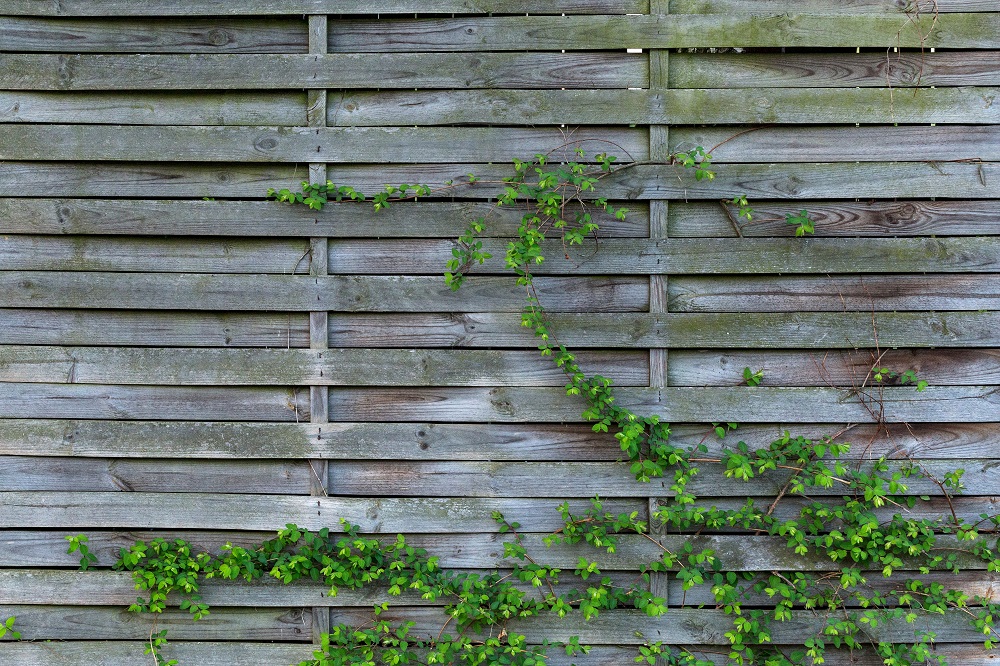
Rotting wood fence sections cannot be “cured.” Once the cellular structure of the wood has collapsed, no amount of sealant or paint will restore its strength. If you see “graying” combined with soft spots, the clock is ticking on your fence’s lifespan.
3. Rust or Corrosion
For those with chain link or wrought iron fences, rust is the equivalent of rot. Modern fences are typically galvanized or powder-coated to prevent oxidation, but these coatings eventually fail.
The “Pitting” Stage
Surface rust (a thin orange film) can often be sanded down and repainted. However, if the rust has begun “pitting”—creating actual holes or thinning the metal until it feels like paper—the fence is structurally compromised.
In chain link fences, rust often starts at the “knuckles” (where the wires twist together). Once these points snap, the tension of the fence is lost, and the mesh will sag, making it easy for pets to crawl under or intruders to pull apart.
4. Broken Fence Panels
Individual slats or “pickets” are easy to replace, but when entire panels begin to fail, it’s a sign of a deeper issue. This is especially common in older vinyl fences.
Brittle Materials
Early generations of vinyl fencing lacked the advanced UV inhibitors found in 2026-grade materials. Over decades of sun exposure, these older vinyl fences lose their flexibility and become as brittle as an eggshell. A stray basketball or a heavy gust of wind can cause the entire panel to shatter. If you find that you are replacing a new board every month, the fence is telling you it’s tired.
5. Increased Repair Costs
Homeownership is about managing ROI (Return on Investment). You must eventually ask yourself: “How much am I spending to keep this old fence alive?”
The 20% Rule
Industry experts often suggest the “20% Rule.” If the cost of a single damaged fence repair exceeds 20% of the cost of a total replacement, or if the cumulative repair costs over the last two years exceed that mark, replacement is the more logical financial move.
Constantly buying new hardware, wood filler, and replacement slats is a “sunk cost” that does not add value to your home. A new fence, however, resets your maintenance clock to zero and usually comes with a multi-year warranty.
6. Outdated Fence Design
Sometimes, a fence needs to be replaced not because it is broken, but because it is no longer functional for your lifestyle.
- Privacy Needs: Perhaps you installed a 4-foot picket fence years ago, but a new multi-story house was built next door, leaving your backyard exposed.
- Pet Containment: You may have a chain link fence that worked for an older dog, but a new, smaller puppy can squeeze through the mesh, or a larger dog can jump over the 4-foot height.
- Aesthetics: If you have recently renovated your home to a modern “Farmhouse” or “Industrial” look, a 20-year-old weathered gray fence can make the whole property look mismatched.
7. Widespread Fastener Failure
Take a close look at the nails or screws holding your fence together. In an aging fence, you will often see “bleeding” dark streaks running down the wood from the nails. This indicates that the fasteners are rusting from the inside out.
As the fasteners fail, the boards begin to warp and pull away from the rails. If the nails are pulling out because the wood around them has become too soft to hold them, no amount of re-nailing will work. The “grip” of the wood is gone, and the entire structure is essentially a house of cards.
8. Insect and Pest Damage
In many regions of the US, termites and carpenter ants are a constant threat. Unlike rot, which is often visible, insect damage is insidious because it happens inside the wood.
Signs of Infestation:
- Mud Tubes: Small tunnels made of dirt running up the base of the posts.
- Hollow Sound: If you tap a post and it sounds like a drum, the interior has likely been eaten away.
- Frass: Small piles of what looks like sawdust at the base of the fence.
If your fence is infested, replacement is urgent. You do not want a termite colony using your fence as a “bridge” to reach the wooden structures of your home.
Benefits of Installing a New Fence
While the upfront cost of replacement can be significant, the benefits far outweigh the temporary pain of the invoice.
-
Low Maintenance:
Modern materials like vinyl, composite, and powder-coated aluminum require almost zero maintenance. You can reclaim your weekends from the cycle of staining and scrubbing.
-
Modern Aesthetics:
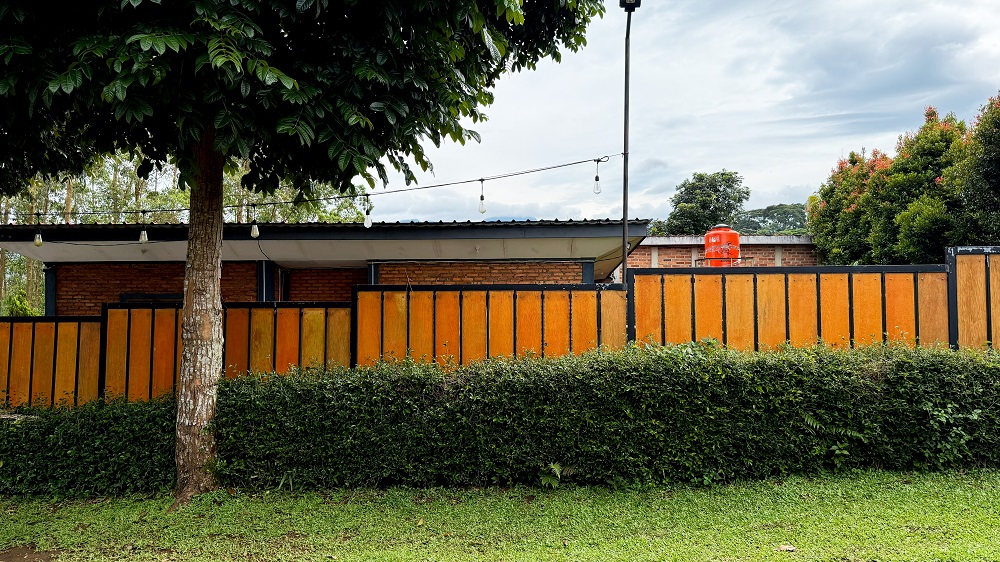
2026 trends focus on horizontal slats and “mixed-material” designs (e.g., black metal frames with wood infill) that can modernize the entire look of your property.
-
Improved Technology:
New fences can be integrated with smart home technology, such as gate sensors that alert your phone if a gate is left open or integrated LED lighting systems.
Fence Repair vs. Replacement: A Strategic Summary
To help you decide, use the following comparison table based on American Fence Association standards:
| Factor | Repair It If… | Replace It If… |
| Extent of Damage | Less than 20% of the fence is affected. | More than 25% of the panels or posts are failing. |
| Post Condition | Posts are upright, sturdy, and rot-free. | Posts are leaning, wobbly, or rotted at the base. |
| Financials | The fix is cheap and will last 2+ years. | You’ve repaired it more than twice in 12 months. |
| Age | The fence is less than 10 years old. | The fence is nearing the end of its 15–20 year lifespan. |
| Safety | The damage doesn’t compromise containment. | There are holes large enough for a pet to escape. |
Conclusion
A fence is a silent protector of your home’s peace and security. While it is easy to ignore a few graying boards or a slight tilt, these are the early warnings of a total structural failure. By recognizing the signs of when to replace a fence from leaning fence issues to rotting wood fence posts you can take control of your property’s maintenance before an emergency occurs.
Investing in a new fence in 2026 is not just an expense; it is an upgrade to your lifestyle. It offers the chance to switch to modern, low-maintenance materials that will stand the test of time, ensuring your home remains the private, secure sanctuary it was meant to be. If you are seeing more than two of the signs mentioned in this guide, your next step should be to consult with a professional fencing contractor to explore your options for a fresh, sturdy start.
FAQs
The most definitive signs are structural instability (leaning), widespread rot or rust that affects the integrity of the material, and a repair history that is becoming a financial burden. If the fence no longer fulfills its primary purpose privacy, security, or containment it is time for a change.
Yes, if the damage is localized. For example, if a single tree limb fell and broke two pickets, you should simply repair that section. However, if those pickets broke because the wood was already soft and brittle, the repair is just a "band-aid" on a terminal problem.
In 2026, the national average for fence replacement ranges from $3,500 to $9,000 for a standard residential yard. This includes the cost of tearing down and hauling away the old fence. Prices vary significantly based on material choice, with chain link being the most affordable and composite or ornamental steel being the most expensive.
A professional crew can typically replace an average residential fence in 2 to 4 days.
- Day 1: Removal of the old fence and digging/setting of new posts in concrete.
- Day 2: Allowing concrete to cure.
Day 3-4: Installation of the rails and panels, followed by gate hanging and cleanup.
Absolutely. A new, high-quality fence provides a significant return on investment. It is one of the few home improvements that appeals to almost every buyer, specifically those with families or pets. It also serves as a "completion" of the home's landscaping, making the property feel well-cared-for.
If you never want to replace your fence again, vinyl or aluminum are your best bets. Both are impervious to moisture and insects. Aluminum is particularly favored in 2026 for its sleek look and rust-proof properties, while vinyl remains the king of low-maintenance privacy.
Estimate Your Fence Cost — Fast & Free
Get a Quick Quote With Estimate in Minutes.
Latest Post