How Long Do Different Types of Fences Last? Lifespan and Warranty Guide
- April 22, 2026
When you invest in a new fence, you are not just paying for looks; you are paying for years of privacy, security, and curb appeal. Across most homes and properties, fences typically last between 10 and 30 years, but the exact lifespan depends heavily on the material, installation quality, climate, and maintenance. Recent durability guides show that many wood fences last about 10 to 20 years, while vinyl, aluminum fence, and some chain-link systems often last 20 to 30 years or more with proper care.
In this guide, we will break down how long different types of fences usually last, what affects fence lifespan, how warranties compare to real-life performance, and what you can do to make your fence last as long as possible. If you are still comparing options, you can also review the material-specific pages on the Buy A Fence website for details on wood, vinyl, chain link, aluminum, and composite solutions.
Lifespan comparison at a glance
Use this table as a quick reference. Every property is different, but these ranges reflect what many homeowners and fence companies report in 2023–2026 guides.
| Fence type | Typical lifespan range* | Maintenance level | Notes |
| Basic softwood wood (spruce, some pine) | about 5 to 12 years | High | Shortest life if not sealed and maintained, especially in wet climates. |
| Pressure-treated pine | about 10 to 15 years in many yards, up to around 20 years in good conditions | Medium to high | Chemical treatment helps resist rot and insects, but newer formulas often do not last as long as older generations. |
| Cedar wood fence | about 15 to 25 years on average, sometimes up to 30 to 40 years, with excellent care | Medium | Naturally rot-resistant and longer-lasting than many other woods. |
| Chain link fence | about 15 to 25 years, sometimes 30 or more, with coatings and good maintenance | Low to medium | Galvanized or coated chain link lasts longer and needs limited upkeep. |
| Vinyl fence | commonly around 20 to 30 years, sometimes 30 or more, with quality products and care | Low | Very low maintenance and often outlasts wood in similar conditions. |
| Aluminum fence | often around 20 to 30 or more years | Low | Powder-coated aluminum is highly resistant to rust and corrosion. |
| Composite fence | designed to last for multiple decades with low maintenance | Low | Combines plastic and wood fibers to resist rot and insects; exact lifespan depends on brand. |
Real lifespan depends on climate, installation quality, and maintenance. These ranges are typical estimates, not guarantees.
For help choosing a material, you can compare the specific wood, vinyl, chain link, and metal fence options offered by Buy A Fence on the services pages, then refer back to this guide to understand how long each choice is likely to last.
What affects how long a fence lasts
Even fences made from the same material can age very differently. Several key factors recur in modern fence lifespan guides.
- Material type
Wood, vinyl, chain link, aluminum, and composite all have different strengths and weaknesses. Wood tends to have the shortest lifespan unless it is a naturally durable species such as cedar with consistent maintenance, while vinyl, aluminum, and composite are often built for multi-decade performance. - Climate and exposure
Fences exposed to constant moisture, extreme temperature swings, intense sun, or corrosive environments such as coastal air usually age faster than fences in mild, dry conditions. Untreated or poorly maintained wood is especially vulnerable in harsh climates. - Installation quality
Modern fence companies repeatedly emphasize that properly set posts, good drainage, and correct fasteners can easily add years to a fence’s life. Poor post depth, weak concrete, or incorrect tension in chain-link systems often leads to leaning, sagging, and early failure. - Maintenance level
Regular cleaning, sealing, staining, and repairs can extend wood fence life toward the upper end of the ranges in the table, while ignoring obvious issues usually pushes fences toward the lower end.
Even “low maintenance” materials such as vinyl and chain link still benefit from occasional washing and inspections. - Use and stress
Heavy traffic, kids and pets, climbing, lawn equipment impacts, and nearby vegetation all put extra stress on fences. Over time, those small impacts add up.
Understanding these factors helps you interpret the lifespan ranges for each material and make decisions about installation and maintenance. If you want design and installation that gives your fence the best chance of reaching the upper end of those ranges, you can reach out to a professional installer through the contact page on the Buy A Fence site.
How long do wood fences last?
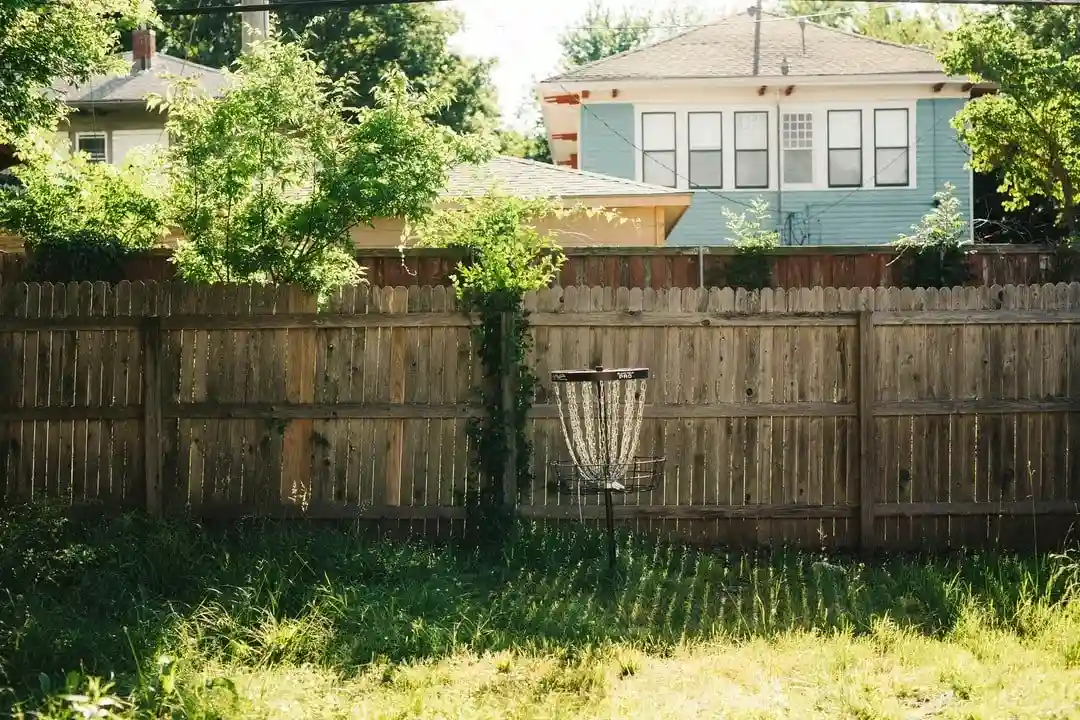
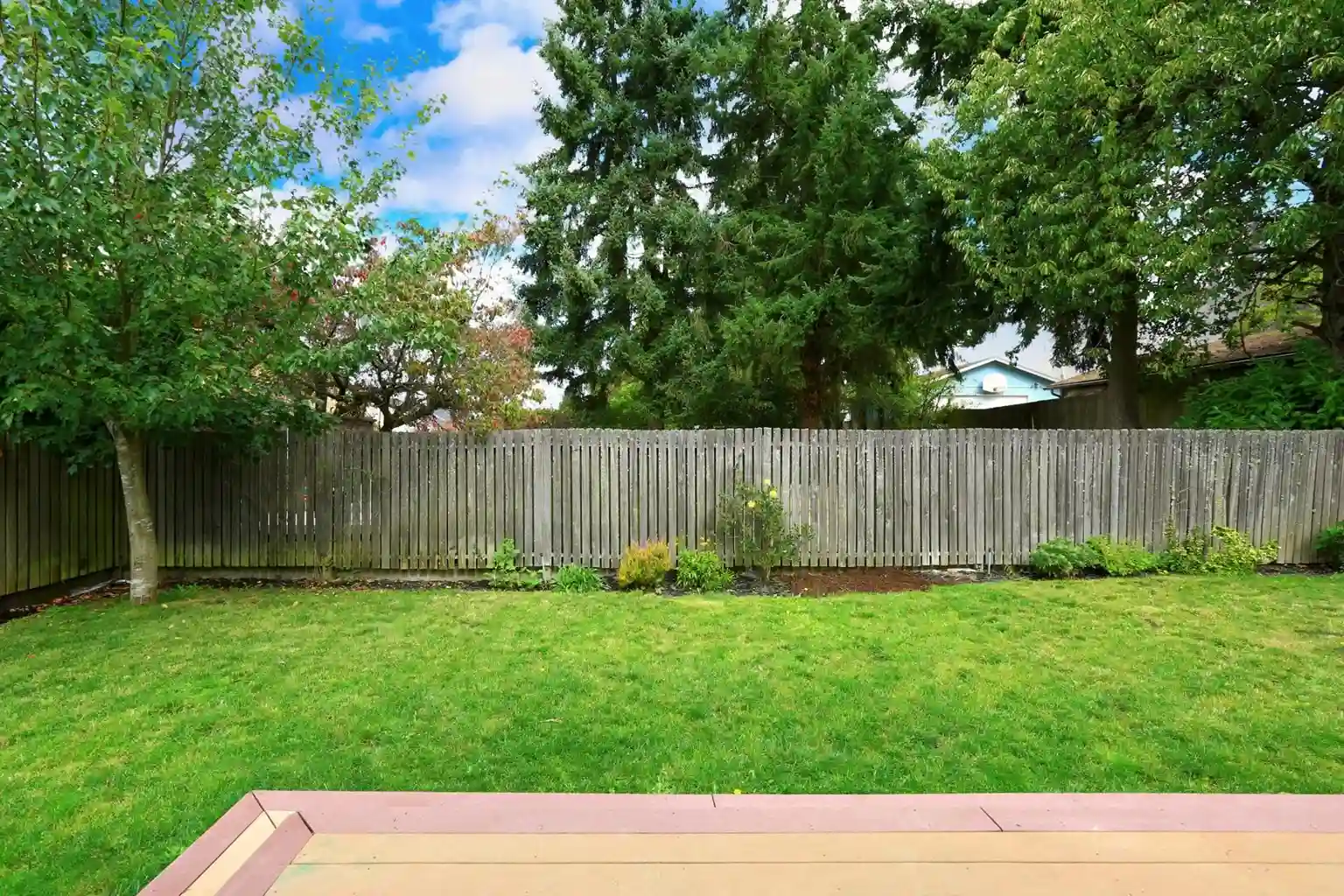
Many homeowners search for “how long does a wood fence last” or “how long should a wood fence last” when they see gray boards, loose posts, or rotting rails. Most modern guides agree that a well-installed, well-maintained residential wood fence typically lasts 15 to 20 years, and sometimes longer, whereas neglected or low-quality wood can fail much sooner.
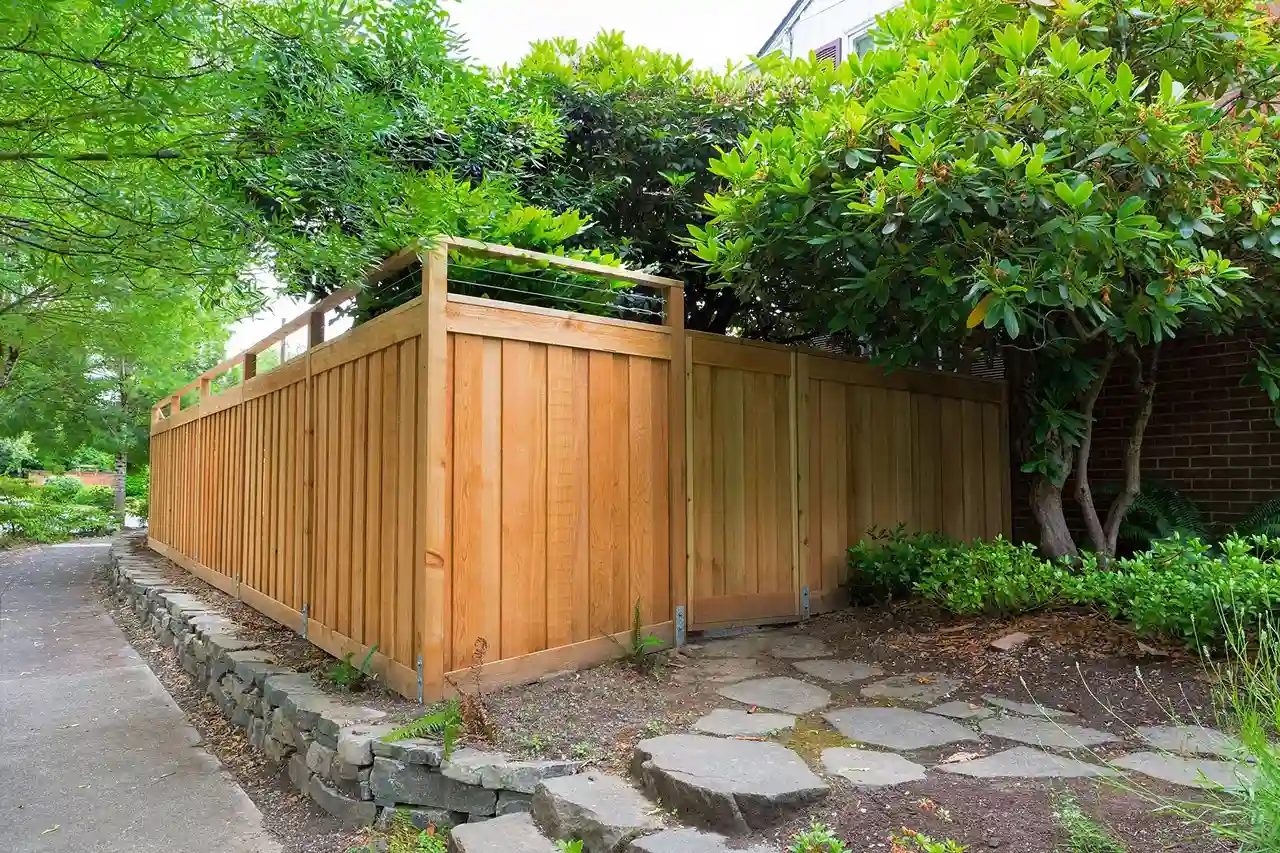
Cedar fence lifespan
Cedar is often recommended as a premium wood fencing material because its natural oils help resist insects and decay. Several recent cedar-specific resources suggest that:
- Untreated cedar fences commonly last about 15 to 25 years in many yards.
- When cedar is properly treated with a quality stain or sealant and maintained, its lifespan can extend to around 30 or even 40 years under good conditions.
In practice, that means a professionally installed cedar fence with reasonable maintenance can easily outlast many basic softwood fences. To see how cedar fences look and what design options are available, check the wood fence sections of the Buy A Fence website.
Pressure-treated pine fence lifespan
Pressure-treated pine is one of the most common wood fence materials because it is affordable and treated to resist rot and insects. Updated comparisons of wood species report that:
- A well-maintained pressure-treated pine fence typically lasts about 10 to 15 years, with some reaching around 15 to 20 years in favorable conditions.
- Newer treatment formulas do not always last as long as older methods, which makes proper care more important.
Regular staining or sealing, along with prompt repairs, helps pressure-treated fences reach the upper end of that range. If you are deciding between cedar and pressure-treated pine, it is worth comparing the upfront cost to the expected lifespan.
Basic softwood fence lifespan
Lower-cost softwoods such as spruce or some low-grade pines can have noticeably shorter lifespans, especially if they are not sealed or stained. Many contractors quote lifespans of 5 to 12 years for these fences, with shorter ranges common in harsh or wet climates.
If you have an older softwood fence and are seeing widespread rot, leaning sections, or repeated repairs, it is often more economical in the long run to replace it with a more durable material.
How long does a vinyl fence last?
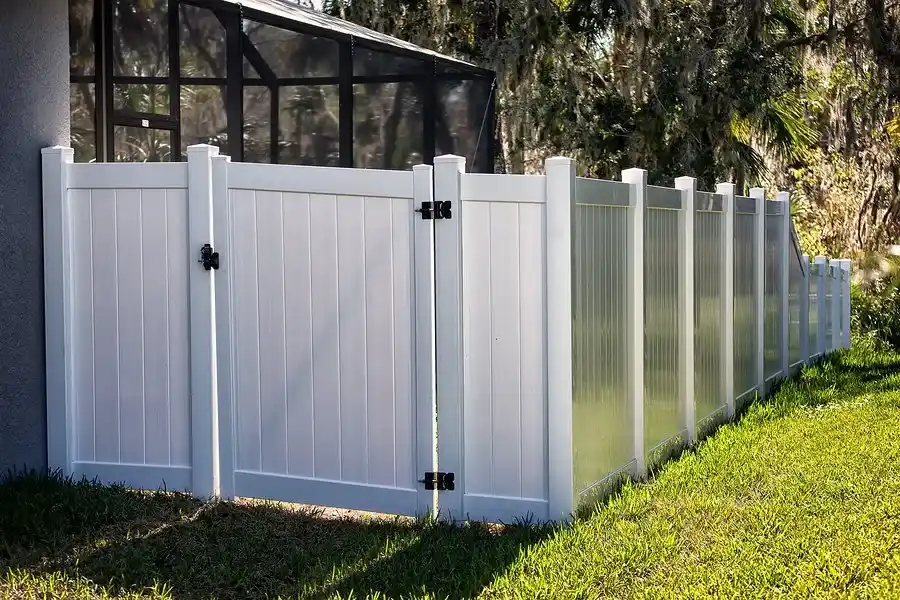
Homeowners who want a long-lasting, low-maintenance fence often ask, “How long does a vinyl fence last compared to wood?” Recent vinyl durability guides consistently show that well-made vinyl fences are built for decades rather than years.
Multiple 2023–2026 guides report that:
- Most vinyl fences are expected to last around 20 to 30 years under typical residential conditions.
- With proper installation and basic care, such as washing, some high-quality vinyl fence systems can last 30 or even 40 or more years, according to manufacturer and contractor estimates.
Unlike wood, vinyl does not rot or attract insects, and it does not require staining or painting. Its main vulnerabilities are impact damage, extreme temperatures, and occasional staining from algae or mildew. Routine cleaning with mild soap and water usually keeps vinyl looking new.
If you are considering switching from an aging wood fence to vinyl, you can compare style and privacy options in the vinyl fence section of the Buy A Fence site and then use this guide to understand the long-term lifespan advantages.
How long does a chain link fence last?
Chain link is often chosen for its value and durability, particularly for large yards and commercial properties. When people search for “how long does a chain link fence last,” the answer they get from recent guides is usually that chain link can last longer than many wood fences.
Several modern chain link lifespan resources suggest that:
- A properly installed chain link fence typically lasts 15 to 20 years, with many lasting 20 to 25 years.
- When the fence uses galvanized or coated wire and receives periodic inspections and repairs, it can last 25 to 30 years or more in some environments.
Keeping vegetation off the fence, addressing rust early, and maintaining tension on the fabric all help extend life. If you want a detailed breakdown of commercial and residential chain link options, you can review the chain link fence services on the Buy A Fence website.
How long do aluminum and composite fences last?
Aluminum and composite fences are popular with property owners who want long-term performance with minimal upkeep.
Aluminum fence lifespan
Powder-coated aluminum is highly resistant to rust and corrosion, which makes it a strong choice for decorative and security fences. Industry comparisons typically group aluminum in the 20- to 30-year range, with many systems lasting much longer when maintained.
Maintenance usually involves occasional washing and inspection of fasteners and posts.
Composite fence lifespan
Composite fences blend plastic and wood fibers, which helps them resist rot, insect damage, and many of the moisture-related issues that limit wood fence lifespan. Contemporary material-comparison articles describe composite fences as lasting for multiple decades with relatively low maintenance, though exact figures depend on the specific product and manufacturer.
If you want to understand how aluminum or composite styles look around patios, pools, and yards, the design galleries and service pages on the Buy A Fence site are a good companion to this lifespan overview.
Fence lifespan versus warranty
Homeowners often assume that a long warranty means the fence will last exactly that long, but warranty and lifespan are related differently.
- Lifespan describes how long a fence typically remains functional and attractive in real-world conditions.
- Warranty specifies how long the manufacturer or installer will cover certain types of defects or failures.
For example, many vinyl fence manufacturers advertise material warranties of 20, 30, or even 50 years, while the actual fence may last well beyond or fall short of that time, depending on installation and maintenance. Wood and chain-link products may have shorter or more limited warranties, even when their real-world lifespans are similar.
Common warranty exclusions include:
- Damage from severe weather or natural disasters
- Improper installation or modification
- Lack of routine maintenance
- Ground movement or structural changes around the fence
When you choose a fence, it is worth reviewing both the expected lifespan for that material and the specific material and workmanship warranties offered by your installer. A professional company can explain what is covered and how to keep your warranty valid.
How to make any fence last longer
Regardless of which fence you have now, there are practical steps that help you reach the upper end of the lifespan ranges in the table.
For wood fences:
- Clean the fence regularly to remove dirt, algae, and mildew that trap moisture.
- Apply stain or sealant as recommended by the manufacturer to protect against water and UV damage.
- Keep soil, mulch, and vegetation a little away from the boards and posts so they can dry out after rain.
- Repair loose boards, nails, and rails quickly before small issues spread.
For vinyl fences:
- Wash panels periodically with mild soap and water to prevent buildup that can stain or degrade the surface.
- Inspect posts and connections to ensure they stay plumb and secure.
- Avoid leaning heavy items on the fence or hitting it with equipment.
For chain link and metal fences:
- Remove vines and heavy vegetation that can pull on the fence fabric.
- Check for rust spots, especially near ground level, and treat them before they expand.
- Tighten loose fittings and reset leaning posts if necessary.
If you prefer professional help, a qualified fence contractor can inspect your existing fence and recommend whether targeted repairs or a full replacement will give you the best long-term value. You can request that kind of inspection or quote directly through the Buy A Fence contact page.
Fence repair versus replacement
At some point, every fence reaches a crossroad where you need to decide whether to repair or replace. Wood fence guides often note that serious problems tend to show up in the second decade of life, especially around posts and bottom rails.
Generally, repair makes sense when:
- Most posts are still solid and upright
- Damage is limited to a few boards or panels
- Rot or rust is localized, not widespread
- You are happy with the fence height and style
Replacement usually makes more sense when:
- Many posts are leaning, rotting, or corroded
- Boards, pickets, or panels are failing across large sections
- You are spending more time and money on repairs each year
- You want a new style or a material with a longer lifespan
An experienced installer can walk your property, give you an honest estimate of how much life your current fence has left, and show you what it would cost to move to a longer-lasting material such as vinyl, aluminum, or composite. To schedule that kind of visit, you can contact Buy A Fence via the free estimate form on the site.
FAQs
Many residential wood fences last around 10 to 20 years, and higher-quality wood with good maintenance often reaches 15 to 25 years or more.
Well-made vinyl fences typically last 20 to 30 years, and some can last beyond 30 years with proper installation and basic care.
A typical chain link fence usually lasts about 15 to 20 years, and coated systems with regular inspection and repairs can often reach 25 to 30 years.
Cedar fences often last about 15 to 25 years, and treated or carefully maintained cedar can sometimes reach up to 30 or even 40 years under the right conditions.
Yes, consistent cleaning, sealing, minor repairs, and vegetation control regularly appear in fence company guides as reasons some fences reach the top of the expected lifespan range.
Estimate Your Fence Cost — Fast & Free
Get a Quick Quote With Estimate in Minutes.
Latest Post