How to Choose the Right Fence for Your Home: Complete Guide
- May 21, 2026
Selecting a residential fence is a decision that sits at the intersection of architecture, security, and financial planning. It is one of the few home improvements that defines your property’s boundaries while simultaneously serving as a backdrop for your outdoor living space. For many homeowners, the process begins with a simple desire for more privacy or a way to keep a new pet safe, but the technical realities of materials, local ordinances, and long-term maintenance requirements quickly add layers of complexity.
Making the wrong choice can be a costly mistake. A fence that looks beautiful in a showroom might fail within five years if it is mismatched to your local climate or soil conditions. This comprehensive guide serves as a roadmap to navigate the nuances of the fencing industry, ensuring your investment remains structurally sound and visually appealing for decades.
Why Choosing the Right Fence Matters
A fence is a permanent fixture that dictates the “flow” of your property. Beyond the obvious benefit of marking property lines, a well-chosen fence provides a psychological sense of enclosure and safety. According to real estate valuation trends in 2026, a high-quality fence can offer a return on investment (ROI) of up to 50% to 70% of the installation cost by increasing the “move-in ready” appeal for future buyers.
Conversely, a poorly chosen fence can become a liability. A fence that obstructs a driver’s line of sight at a corner lot can result in municipal fines, while a fence made of high-maintenance wood in a humid, termite-prone region becomes a recurring expense rather than an asset. Understanding the “why” behind your purchase is the first step in avoiding buyer’s remorse.
Determine Your Fence Purpose
The “Gold Standard” of fence planning is to align the design with a specific primary function. If you try to make a fence do everything provide 100% privacy, allow for maximum airflow, and be the cheapest option you will likely end up with a product that fails at all three.
1. The Privacy Seeker
If your backyard feels like a fishbowl, a privacy fence is the solution. These are typically 6 to 8 feet tall and utilize “solid-fill” designs where boards or panels overlap. The goal is to create a visual barrier that blocks the view from neighbors and reduces ambient noise from the street.
2. The Security Minded
Security fencing is designed to prevent unauthorized entry. This usually involves taller structures (6 feet or more) with limited footholds to prevent climbing. Materials like ornamental steel or reinforced aluminum are preferred here because they offer strength without the “closed-in” feeling of a solid wall. In 2026, many homeowners are also integrating smart sensors into these perimeters to alert them of breaches.
3. Safety for Pets and Children
For families, the fence is a safety net. This requires careful consideration of “slat spacing.” For small dogs, gaps should be no wider than 2 or 3 inches to prevent them from squeezing through. For pool owners, safety is a legal requirement. Most jurisdictions follow the International Code Council (ICC) guidelines for pool barriers, which typically mandate a minimum height of 48 inches and self-closing, self-latching gates.
4. Purely Aesthetic
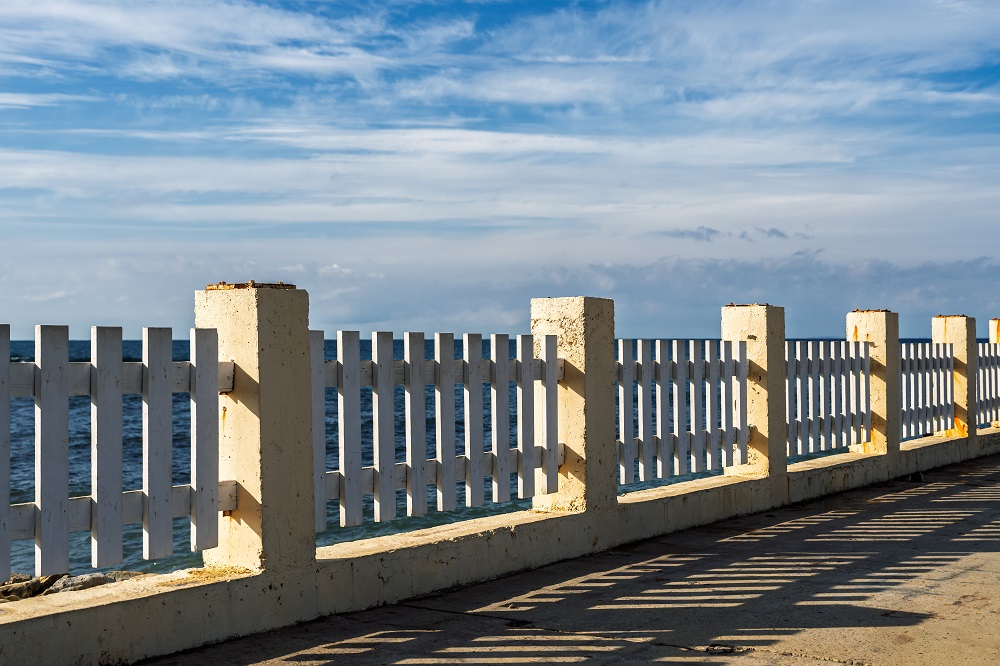
Sometimes, a fence is just a frame for your garden. Low picket fences or “split-rail” designs provide a rustic, open feel that defines the space without blocking the view of the surrounding landscape.
Choose the Right Fence Material
Material selection is the most significant variable in both the upfront cost and the lifetime labor of the fence.
Wood: The Classic Choice
Wood remains the most popular residential material due to its natural beauty and initial affordability.
Cedar:
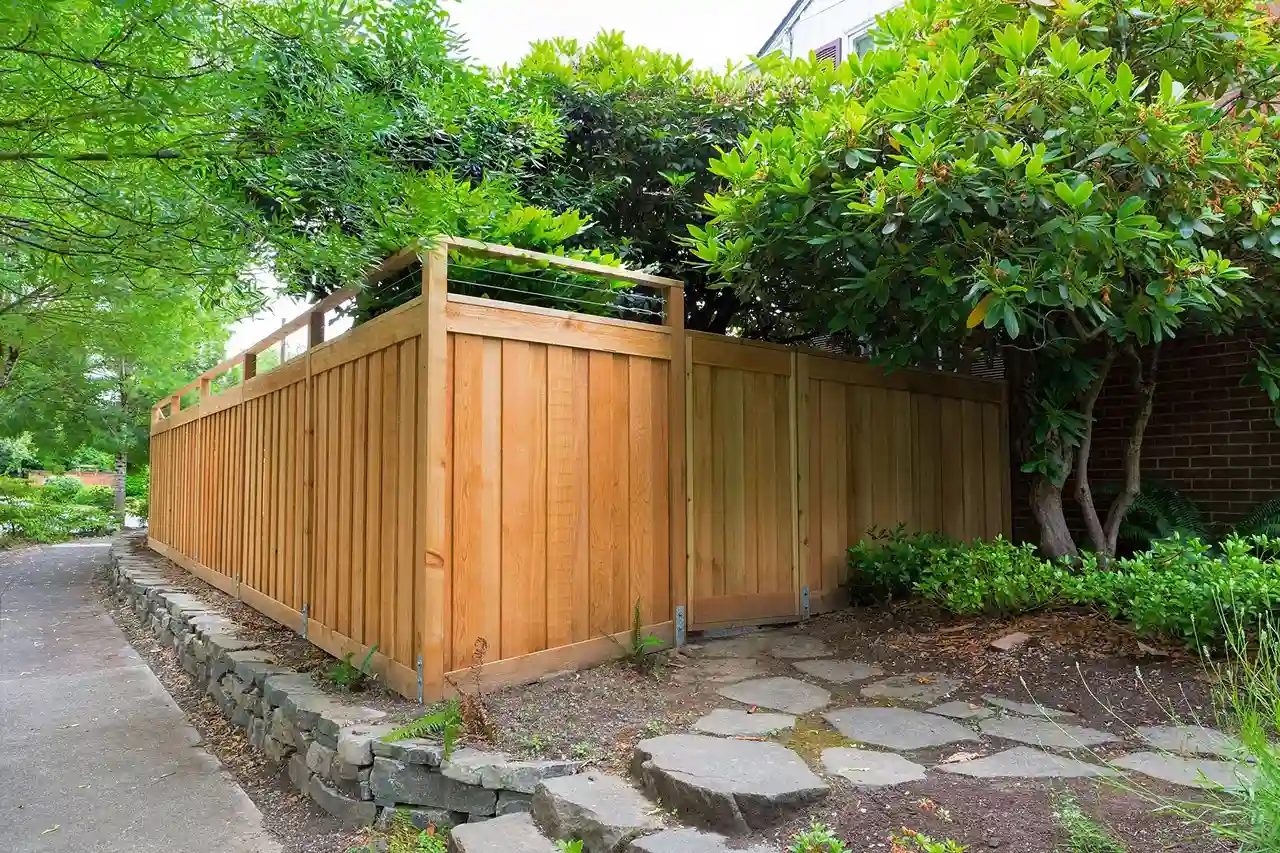
Contains natural oils that resist insects and decay. It stays straighter than other woods but eventually weathers to a silver-gray if not stained.
Pressure-Treated Pine:
The most budget-friendly option. It is chemically treated to resist rot, though it is more prone to warping and shrinking over time.
Professional Tip: Always use hot-dipped galvanized or stainless steel fasteners with wood to prevent “bleeding” or rust streaks.
Vinyl: The Low-Maintenance Powerhouse
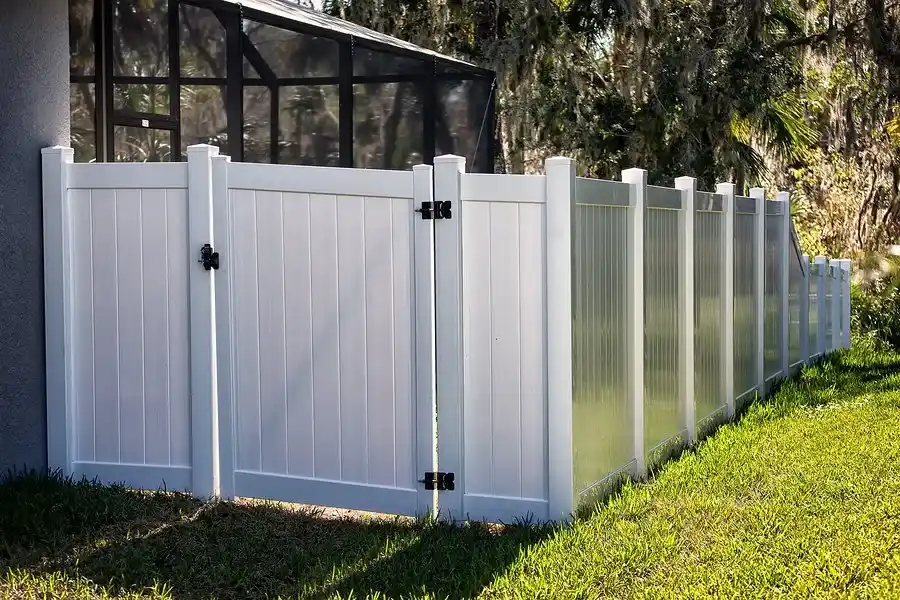
Vinyl (PVC) has evolved from looking like “plastic” to offering textures that mimic wood grain. It is virtually maintenance-free.
Pros: Never needs painting, staining, or sealing. It won’t rot or attract termites.
Cons: Higher initial price point. In regions with extreme temperature swings, low-quality vinyl can become brittle and crack.
Aluminum and Steel: The Durable Alternatives
Metal fencing offers an elegant look with much less work than traditional iron.
Aluminum: Rust-proof and lightweight. It is ideal for coastal areas with salt air.
Steel: Heavier and stronger than aluminum. Modern galvanized and powder-coated steel fences are highly resistant to corrosion but require checking for scratches that could lead to rust.
Composite: The Modern Hybrid
Made from a blend of wood fibers and recycled plastic, composite fencing provides the look of wood with the durability of a synthetic. It is one of the fastest-growing segments in the best residential fencing market due to its sustainability profile and 25-plus year lifespan.
Consider Fence Height and Design
Design is where your personal style meets local law.
The “Good Neighbor” Policy: Traditional fences have a “finished” side and a side with visible rails and posts. Standard etiquette and often local law dictates that the finished side must face your neighbor or the street. If you want to avoid this, look for “shadowbox” or “board-on-board” styles that look identical from both sides.
Height Restrictions: Most US municipalities limit backyard fences to 6 feet and front yard fences to 3 or 4 feet. Exceeding these limits often requires a variance from the local planning board, which can be a lengthy and uncertain process.
Terrain Adaptability: If your yard is sloped, you must choose between a “racked” fence (which follows the contour of the ground) and a “stepped” fence (which creates a stair-step appearance).
Budget Considerations
A fence budget should be viewed as a “Total Cost of Ownership” calculation. As of 2026, the national average for professional fence installation ranges from $2,000 to $6,000 for a standard yard, but material choice can swing this drastically.
Materials: Expect to pay per linear foot. Chain link is the most affordable at $10 to $20, while premium horizontal cedar or composite can exceed $60 per foot.
Labor: Installation is labor-intensive. Professionals must dig post holes below the frost line (usually 2 to 3 feet deep) and set them in concrete.
The Hidden Costs: Don’t forget the cost of gates. A standard walk-through gate adds $200 to $500, while a double-drive gate for a vehicle can cost over $1,500.
Permits: Most cities require a building permit for fences over a certain height, which can cost anywhere from $50 to $200.
Maintenance Requirements
If you choose wood, you are signing up for a biennial chore. To keep wood from graying and rotting, it must be cleaned and re-sealed or stained every 2 to 3 years. This involves power washing, allowing the wood to dry completely, and applying a UV-resistant sealant.
For vinyl, composite, and aluminum, maintenance is as simple as using a pressure washer or a garden hose with a mild detergent once a year to remove dust, pollen, or grass clippings.
Regulatory and HOA Compliance
Before you dig, you must consult your Homeowners Association (HOA) and local building department. HOAs often have strict “Design Guidelines” that dictate allowed materials, colors, and even the specific side of the post that must face the street. Failing to get “ARC Approval” (Architectural Review Committee) can lead to forced removal of the fence at your own expense.
Additionally, always call “811” before any excavation. This free service ensures that your fence posts don’t accidentally puncture underground utility lines, which is a major safety hazard and a costly mistake to fix.
Environmental Factors
The climate in your specific region should dictate your fence material guide priorities.
High Wind Zones: Solid privacy fences act like sails. In hurricane-prone areas, you should opt for fences with gaps between the slats or reinforced steel posts to prevent the structure from blowing over.
Frost Zones: In northern climates, posts must be set deep enough to avoid “frost heave,” where the freezing and thawing of the ground pushes the posts out of the earth.
Coastal Areas: Salt spray is highly corrosive. Aluminum or vinyl are the only logical choices here, as standard steel or even some wood types will deteriorate rapidly.
Professional vs. DIY Installation
While many homeowners attempt to DIY their fence, professional installation offers several advantages. A professional crew has the specialized equipment (like power augers and laser levels) to ensure the fence is perfectly straight and the posts are structurally sound. Furthermore, most reputable companies provide a “Workmanship Warranty,” which protects you if the fence begins to sag or lean within the first year.
The Impact of 2026 Trends
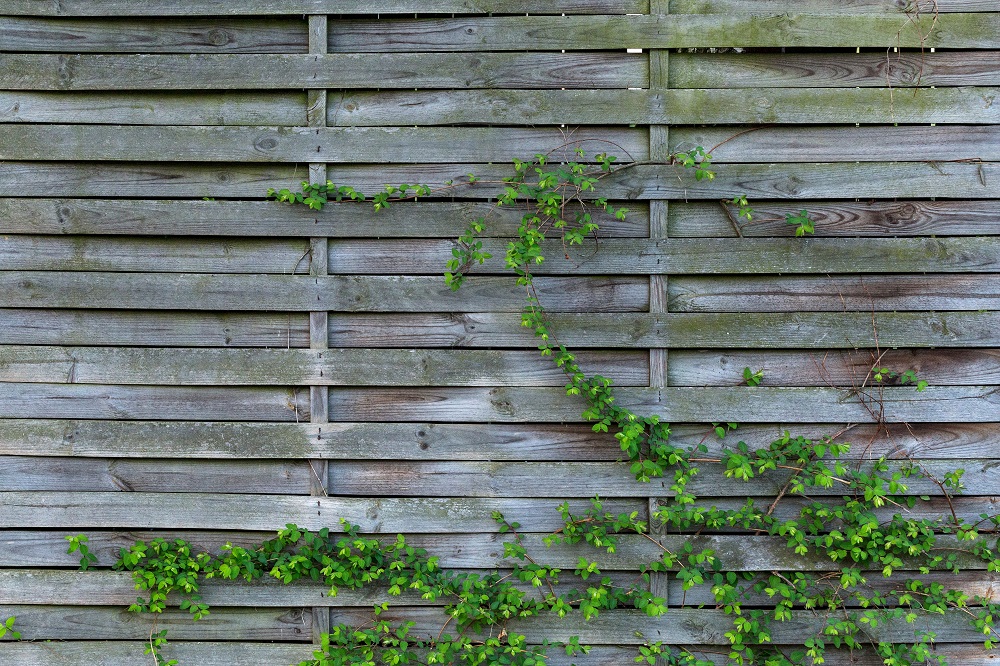
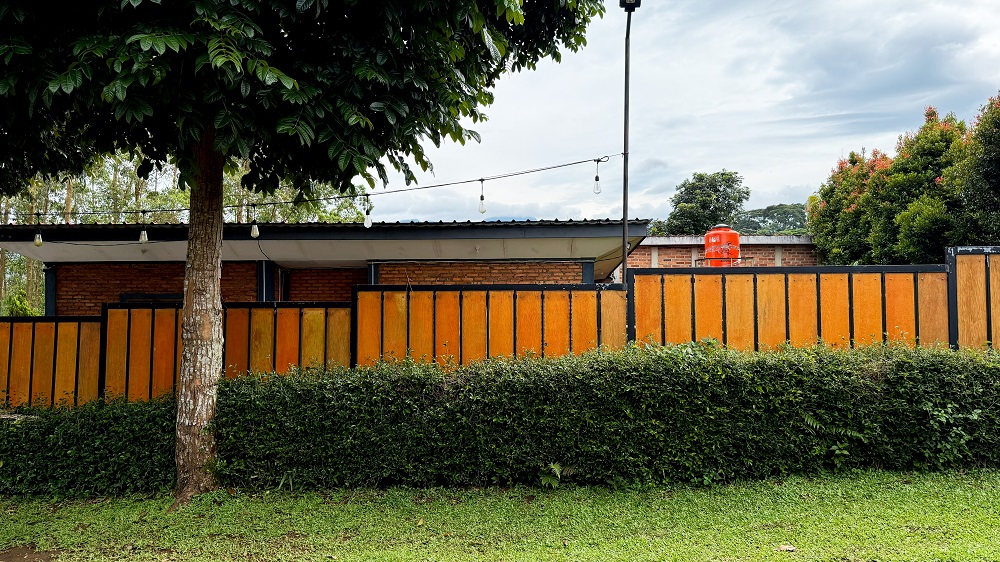
In 2026, we are seeing a shift toward “Mixed Material” fencing. Homeowners are increasingly pairing black aluminum frames with warm wood or composite infill panels. This “Industrial Modern” look provides the warmth of natural materials with the structural longevity of metal. Another trend is the “Vertical Garden” fence, where homeowners use their privacy fence as a mounting surface for planters, turning a boring boundary into a living wall.
Conclusion
Choosing the right fence is a multifaceted process that requires balancing your immediate functional needs with the long-term realities of maintenance and property value. Whether you choose the natural elegance of a cedar privacy fence or the modern, maintenance-free utility of aluminum, your decision should be informed by your local climate, budget, and neighborhood regulations. By following this fence buying guide, you ensure that your new boundary is more than just a wall it is a lasting investment that enhances your home’s security, beauty, and peace of mind.
FAQs
Solid-panel vinyl or tongue-and-groove cedar fences provide the highest level of privacy. There are no gaps between the boards, ensuring total visual blockage. For a more modern look, horizontal composite slats are also highly effective.
For a typical suburban backyard (approx. 150 to 200 linear feet), budget between $4,500 and $10,000 in 2026. This includes professional labor, permits, and mid-range materials like vinyl or pressure-treated wood.
Aluminum and vinyl are the leaders in low maintenance. Neither material requires painting or staining, and they are impervious to rot and insect damage. An annual wash is usually all they need.
The residential standard for privacy and pet containment is 6 feet. However, always verify with your local municipality, as "corner lots" often have much lower height restrictions (usually 3 to 4 feet) to maintain visibility for drivers at intersections.
If you are replacing an existing fence, budget for the "demo and haul" fee, which usually adds $3 to $5 per linear foot to the project. For a 200-foot yard, a full chain link replacement will average $4,000 to $7,000, while a wood replacement will range from $6,000 to $11,000.
In most US municipalities, any fence over 6 feet tall requires a building permit. Some cities also have "zoning" requirements for front-yard fences, often limiting them to 3 or 4 feet to ensure "sight-line" safety for drivers. Always check with your local building department before purchasing materials.
Estimate Your Fence Cost — Fast & Free
Get a Quick Quote With Estimate in Minutes.
Latest Post